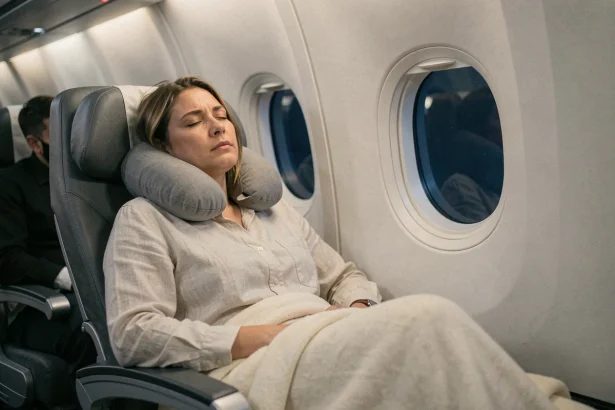
Travel sleep
How to Build a Carry-On Sleep Kit for Overnight Flights
Mask, earplugs, blanket and footrest: the five things that make an overnight flight sleepable.
Read the guide →
Most “leaks” are not leaks. Work through cold air, stretch and the valve first — in that order — before you hunt for a hole.

Direct answer: Most air mattresses that feel flat by morning are not leaking: cold air contracts inside the bed, new material stretches during the first two or three nights, or the valve was never fully seated. Top the bed up after the temperature drops, seat the valve, and only hunt for a leak if it still sags.
An air mattress that feels firm at bedtime and soft at 3 a.m. usually has not lost air through a hole. Three ordinary causes explain most overnight softening: the air inside cools and contracts, new material stretches into its final shape, or the valve never sealed completely. Each one has a two-minute fix, and none of them needs a patch kit.
This guide works through the causes in the order you should check them, then covers insulation, two-sleeper firmness and the point where a camping pad is simply the better cold-weather tool. If you are still choosing between the two, start with our air mattress vs camping pad comparison.
| Cause | How it feels | Fix |
|---|---|---|
| Cold air contracts | Firm at bedtime, soft by morning | Top up after the temperature drops, right before sleep |
| New material stretching | Softer each of the first 2–3 nights | Inflate, rest, and top up for the first few nights |
| Valve not seated | Slow, steady softening all night | Push the inner plug fully home and close the cap |
| Slow leak | Still sagging after night three | Soapy-water test on seams and valve, then patch |
| Cold ground | Cold from below, whatever the firmness | Put a blanket or foam pad under the mattress |
The five causes of overnight air loss, in the order to check them
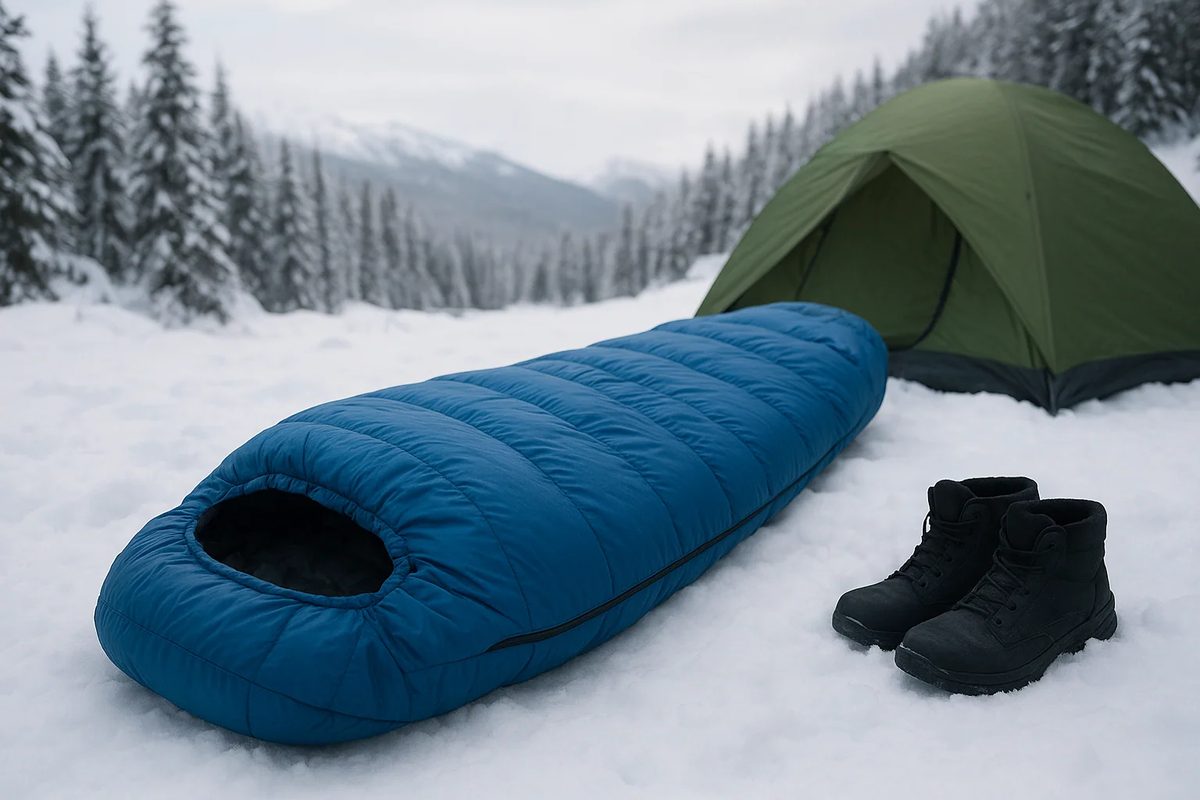
Cold air takes up less space, so a bed inflated in a warm room feels softer once the room or tent cools. Cooling the air inside from about 20 °C to 5 °C shrinks it by roughly 5% — enough to notice, and enough to feel like a leak.
The fix is timing, not more pressure. Inflate the bed early so it takes its shape, then top it up after the temperature has dropped, ideally right before you get in. A bed topped up in the afternoon will feel soft again by midnight.
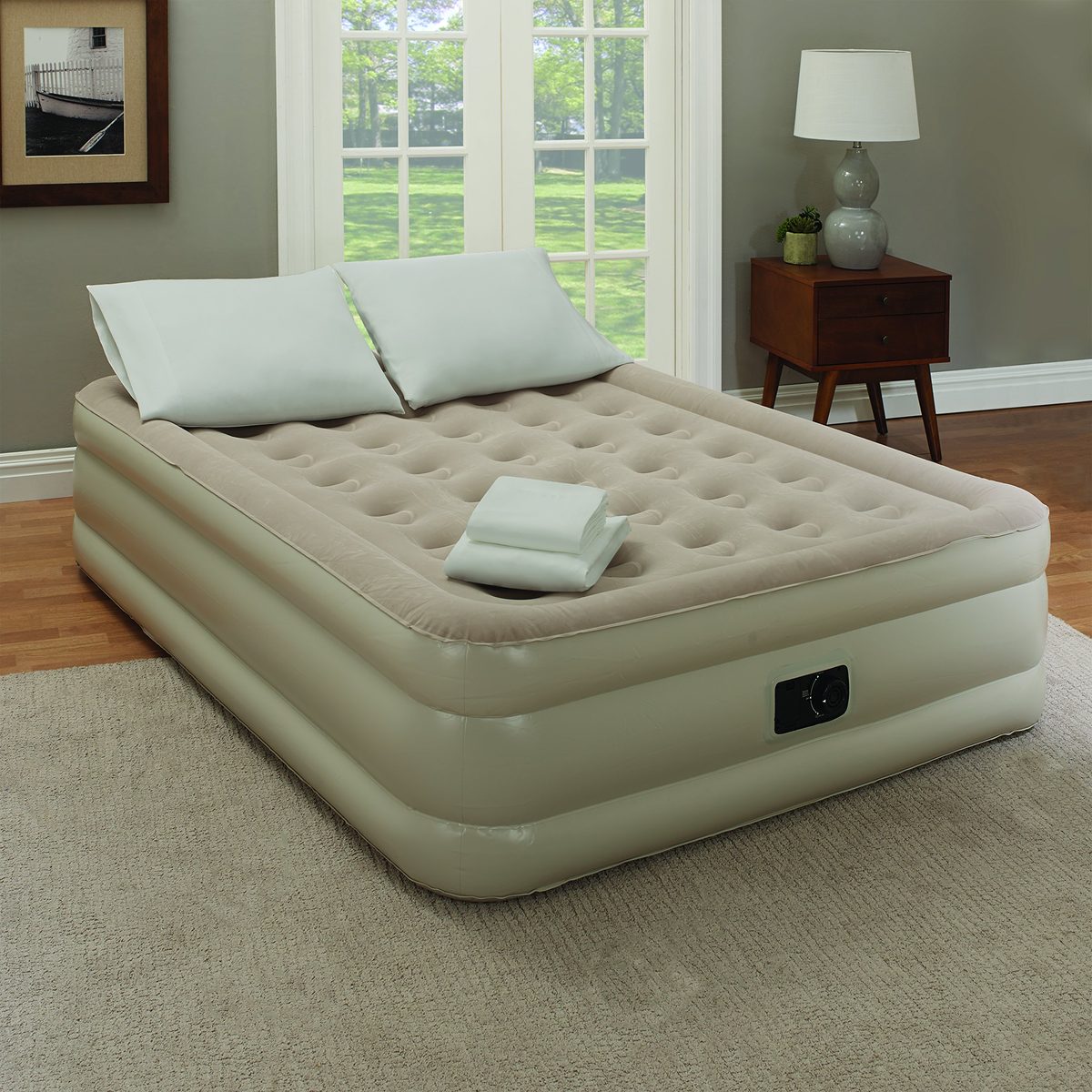
New material stretching is the most common false alarm. Intex advises inflating a new airbed two or three times and letting it rest for a few hours each time, because the material expands into its correct shape and the pressure appears to drop.
Give a new bed two or three nights of evening top-ups. If the firmness holds after that, it was stretch. If it still sags noticeably after the third night, move on to the valve and leak checks below.
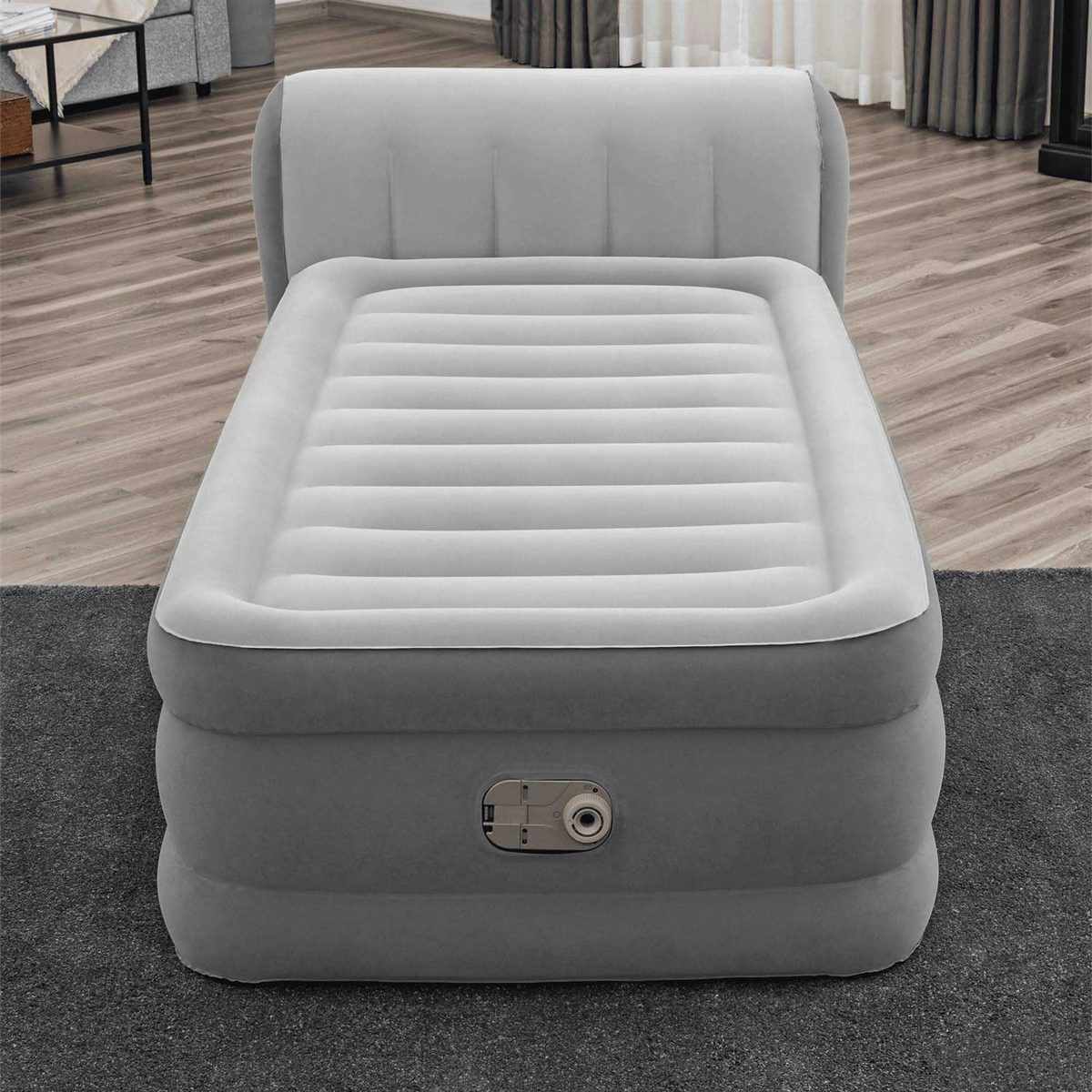
The valve is the first real suspect: push the inner plug in until it seats flat, then close the outer cap. A plug left half-seated bleeds air slowly enough that you only notice it hours later.
Run a finger around the seal to feel for grit, hair or a folded edge of plastic, and recheck the valve after moving the bed — dragging a mattress across a floor is an easy way to knock a cap loose.
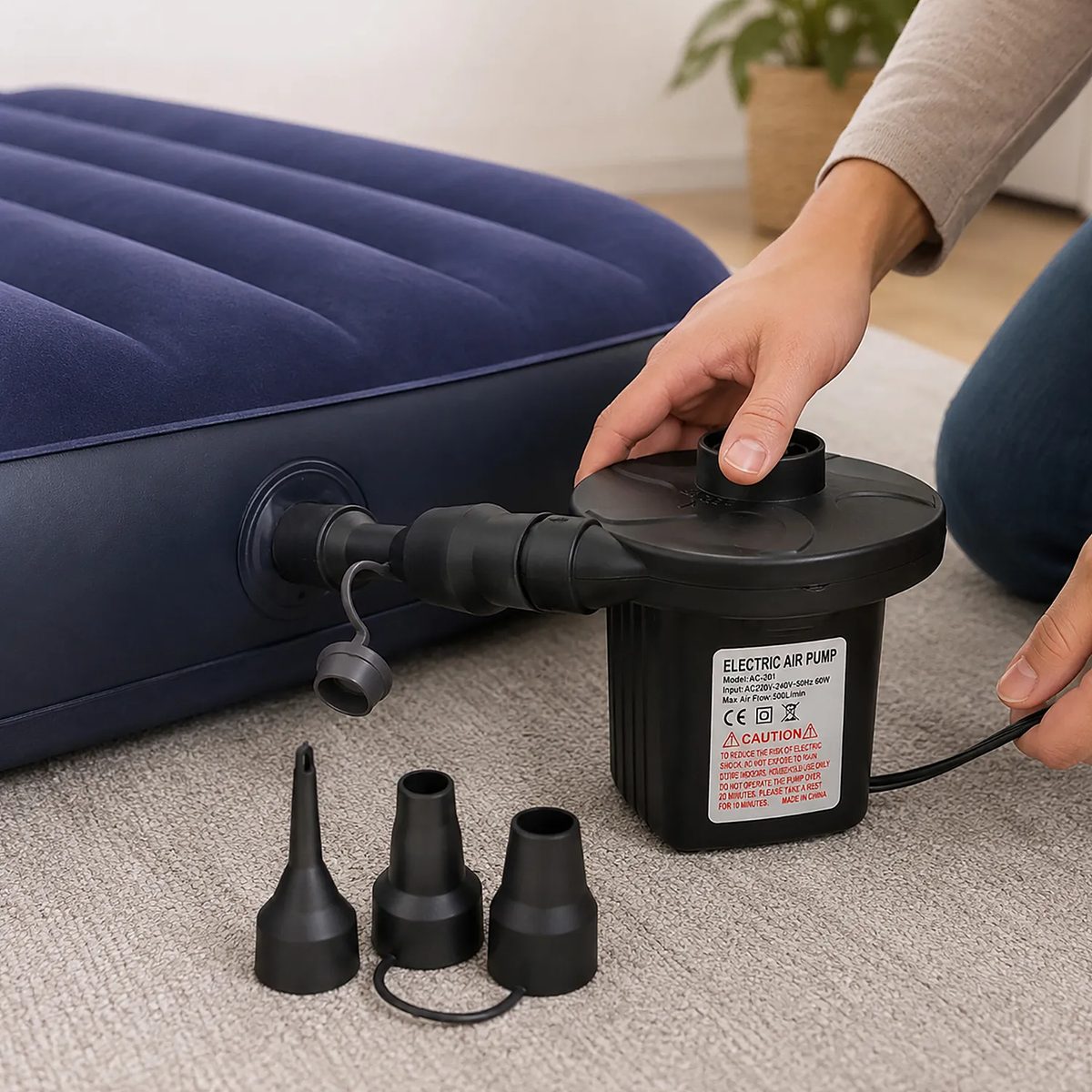
Top the bed up right before sleep, after the room or tent has cooled. That single habit removes most “overnight deflation” complaints, because the air you add is already at night-time temperature.
Aim for firm, not rock-hard. Sit on the edge: you should sink slightly without touching the floor. Overinflating to compensate for cold air only stresses the seams and makes the bed feel bouncy.
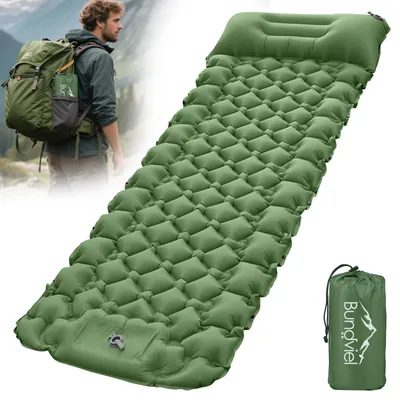
Inflate the bed firm and spray soapy water over the seams and valve first — bubbles mark the leak. Work in sections and give each area a few seconds; slow leaks make small, slow bubbles.
Mark the spot, dry the surface completely, and patch it following the repair kit’s instructions, including its full curing time before re-inflating. A patch rushed back into service is the usual reason repairs fail.
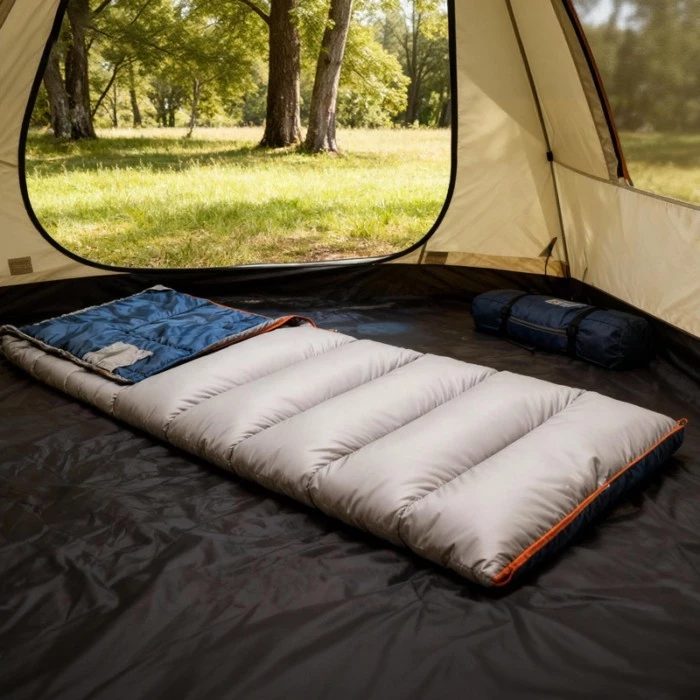
Put insulation under the mattress, not just over you. Most heat loss while sleeping goes down into the ground, and a plain air mattress is a poor insulator because its big air pocket has no foam or reflective layer inside.
A blanket, rug or closed-cell foam pad underneath makes a real difference on cold floors and frozen ground. For the insulation numbers behind this, see the R-value section of our air mattress vs camping pad guide.
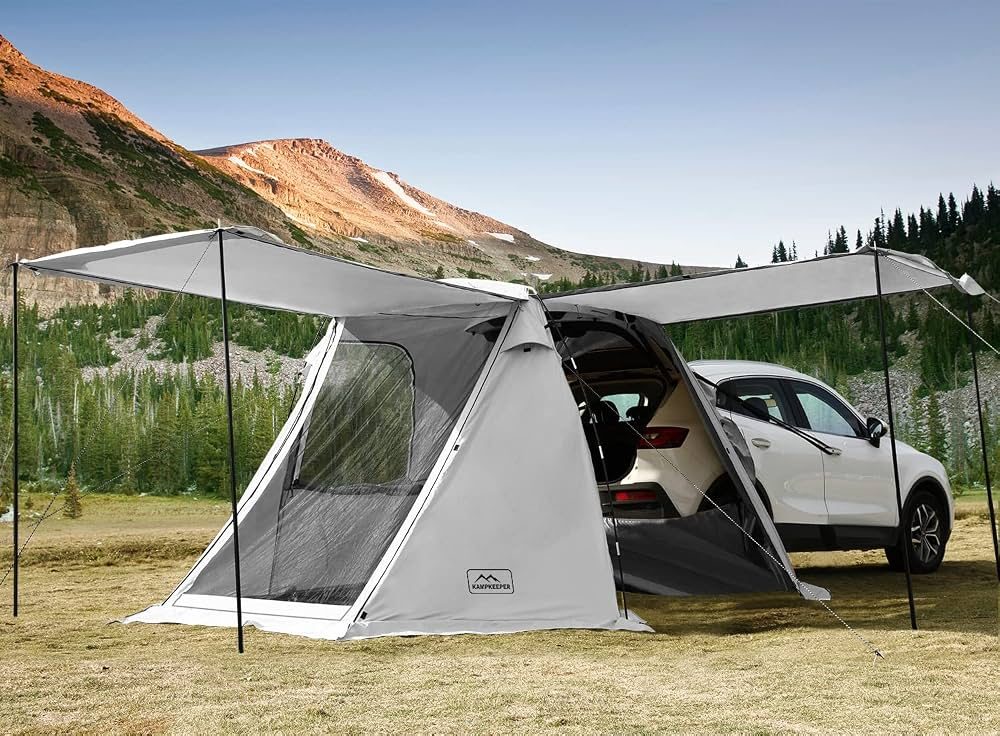
Inflate the bed inside the tent after sunset, when the temperature has already fallen. Inflating beside the car in late-afternoon warmth guarantees a softer bed by midnight, however good the mattress is.
Keep the pump within reach for a pre-sleep top-up, and put a pad or blanket under the mattress. Car camping gives you the space for both, which is exactly why it is the air mattress’s best cold-weather setting.

Two sleepers share one pocket of air, so the heavier sleeper displaces air toward the lighter side and the bed feels softer than it did with one person. Every movement also transfers through the shared air.
Inflate slightly firmer for two people, and expect a top-up to matter more. If movement transfer keeps waking you, two separate pads solve it completely — the trade-off is covered in our comparison guide.
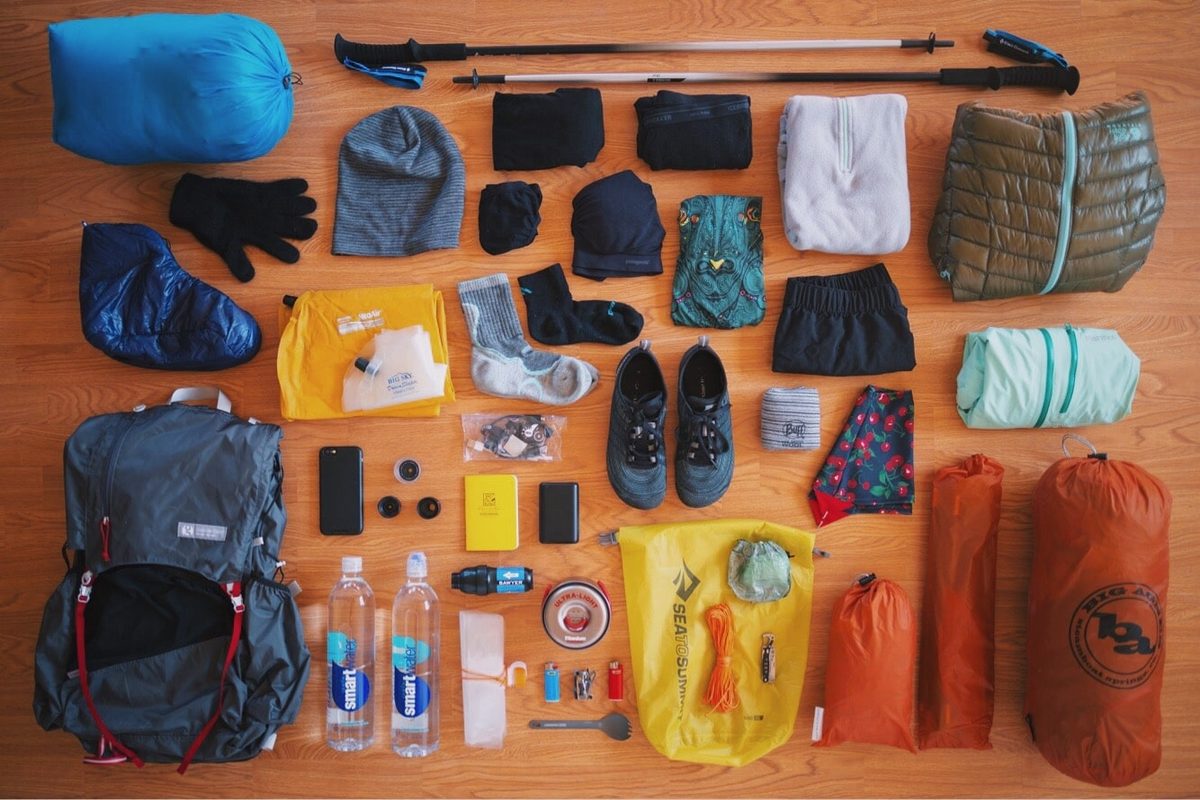
Pack the repair kit that came with the bed, the pump, and a small spray bottle you can fill with soapy water. That covers the valve check, the leak test and the patch — the whole sequence in this guide.
Test the bed at home the night before a trip: inflate it, top it up before bed, and check it in the morning. A problem found in the living room is an inconvenience; the same problem at a cold campsite is a ruined night.

Below freezing, an insulated camping pad wins. Pads carry an R-value rating for ground insulation, while most air mattresses publish none — on snow or frozen ground, that insulation matters more than thickness.
Keep the air mattress for guests and warm-weather car camping, where comfort and bed height matter most. For cold nights and anything involving a backpack, choose the pad. Our full comparison breaks down the numbers.
Seat the valve, give new material two or three nights to stretch, and top the bed up after the temperature drops. Only then go looking for bubbles with soapy water. Follow that order and most “leaking” air mattresses turn out to need no repair at all — just warmer timing and a layer underneath on cold ground.
No. A sound bed with a seated valve loses very little. Noticeable softening usually comes from cold air contracting or new material stretching, not from a hole.
The material stretches into its final shape during the first two or three inflations, which feels like air loss. Intex recommends inflating two or three times and letting the bed rest between fills.
Cooling from about 20 °C to 5 °C shrinks the air inside by roughly 5%, which is easy to feel. Topping up right before sleep removes most of it.
No — overinflating stresses the seams and makes the bed bouncy without fixing the cause. Inflate firm, then top up after the temperature drops.
Listen and feel around the valve and seams with a damp hand; escaping air feels cool. Soapy water is still more reliable, because bubbles pinpoint slow leaks.
Cold mainly affects firmness, not the material itself, at ordinary camping temperatures. The bigger cold-weather problem is insulation: the bed will feel cold from below without a layer underneath.
Replace it when leaks keep appearing at seams, the valve no longer seals, or the bed still sags after a correct patch and cure. Repeated seam failures rarely stay fixed.
Mask, earplugs, blanket and footrest: the five things that make an overnight flight sleepable.
Read the guide →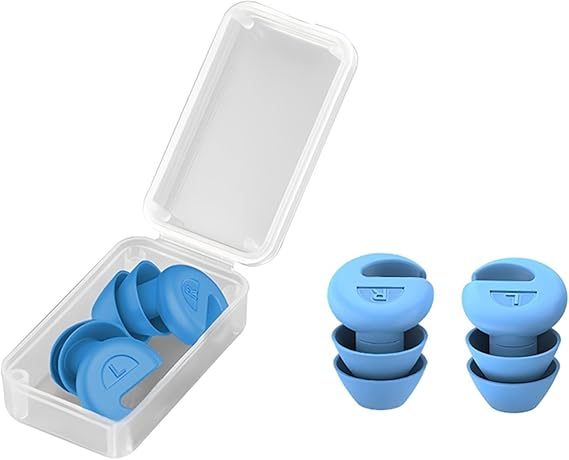
Foam, putty and reusable plugs compared by fit and noise rating — for side and back sleepers.
Read the guide →Comfort, weight, insulation and setup compared for guests, car camping and backpacking.
Read the guide →