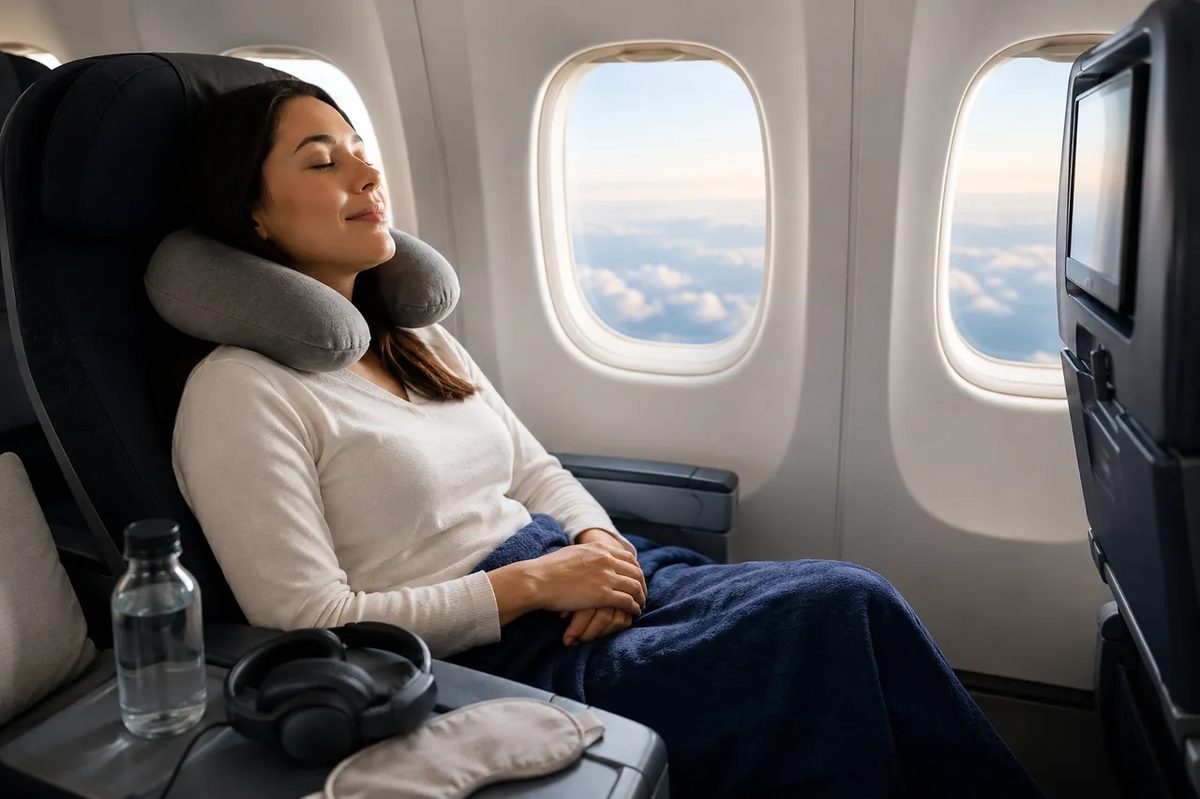
Travel sleep
Best Travel Pillows for Long Flights
Fifteen travel pillows, from scarf supports to ultralight camp pillows — ranked by how well they actually let you sleep sitting up.
Read the guide →
One is a guest bed, the other is a trail bed — but the line between them is blurrier than the marketing suggests.
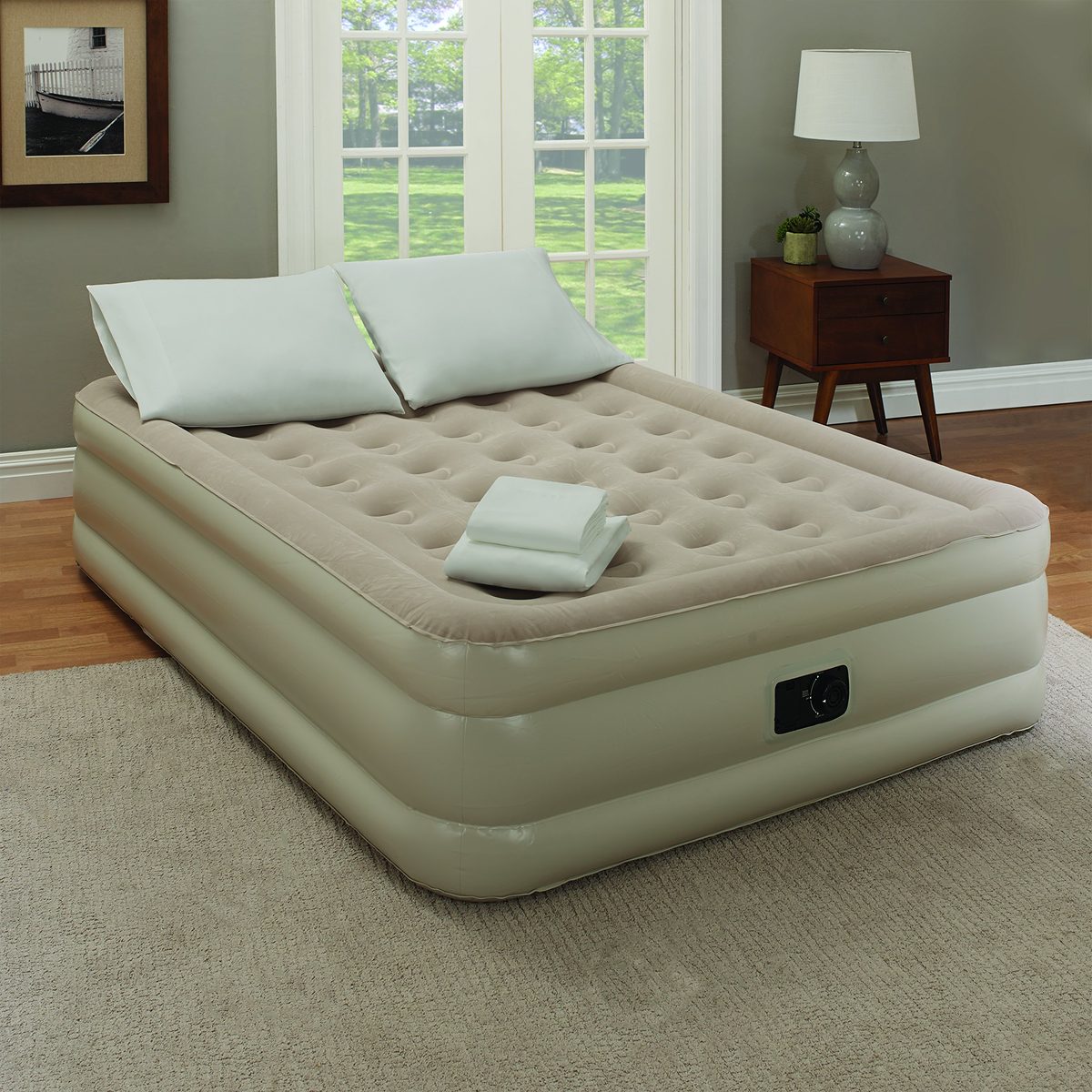
An air mattress and a camping pad both put air between you and the ground — but they are built for different jobs, and buying the wrong one is an expensive way to learn the difference. The short version: air mattresses win on comfort and size, camping pads win on weight, insulation and anything involving a backpack.
This guide compares them honestly across the factors that matter — comfort, warmth, pack size, setup, durability and price — and tells you which one fits guest rooms, car camping, backpacking and two-person sleeping.
Direct answer: Choose an air mattress for guests and car camping, where comfort and size matter most. Choose a camping pad for backpacking and cold nights, where low weight and insulation (R-value) matter more.
| Factor | Air mattress | Camping pad |
|---|---|---|
| Comfort | High — thick, bed-like | Good — thinner, firmer |
| Weight | 4–10 kg | 0.3–1.5 kg |
| Packed size | Large — a duffel bag | Small — a water bottle |
| Insulation (R-value) | Low (R-1 to R-2) | R-1 to R-7 by model |
| Setup | Pump, 3–5 min | Blow up or self-inflate, 1–3 min |
| Best for | Guests, car camping | Backpacking, cold nights |
Head-to-head
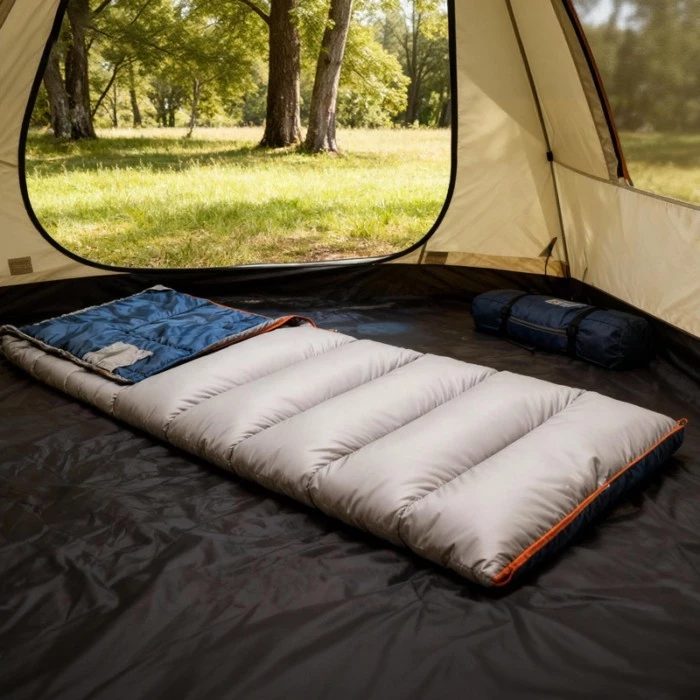
A camping pad is a sleeping pad designed to be carried: thin, light and packable, usually 5–10 cm thick when inflated. There are three types — closed-cell foam (indestructible, bulky), self-inflating (foam + air, a good middle ground) and air pads (lightest, most comfortable, need inflation).
The key number is the R-value, which measures insulation from the cold ground. A summer pad might be R-1; a four-season pad can be R-6 or higher. Air mattresses rarely publish R-values at all — which tells you something about their insulation.
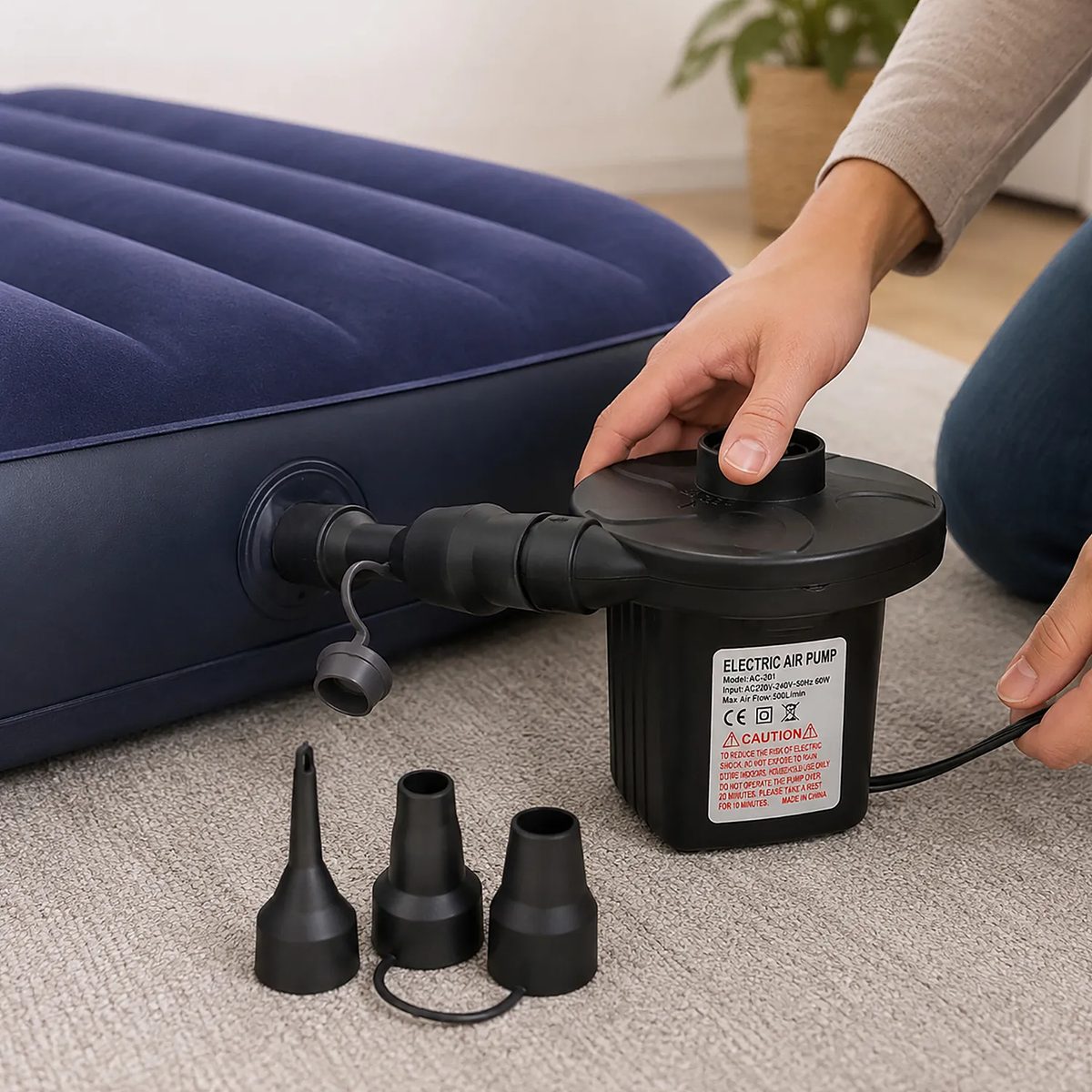
On comfort alone, a good air mattress wins. It is 20–50 cm thick, so hips and shoulders sink in without touching the floor, and the best ones have flocked tops and internal coils that feel surprisingly bed-like. A camping pad is 5–10 cm of air and foam: comfortable enough, but side sleepers will feel the ground through their hip on a thin pad.
The gap narrows with a thick insulated air pad (8–10 cm) and a good pillow. For one night, most people sleep fine on either. For a week, the air mattress is kinder — if you can carry it.
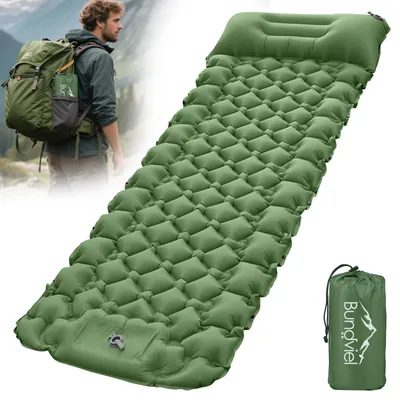
This is where the camping pad wins by a mile. A backpacking air pad weighs 300–700 grams and packs to the size of a water bottle. A double air mattress weighs 4–10 kilos and packs to the size of a duffel bag — and needs a pump, which is another thing to carry and power.
If your trip involves walking more than a hundred meters from the car, the air mattress is already the wrong answer. If it does not, the weight barely matters.

Most heat loss while camping goes down, into the ground — not up into the air. A sleeping bag's insulation compresses under your body weight, so the pad underneath is doing most of the insulating. This is why R-value matters more than bag rating on cold nights.
Air mattresses are poor insulators: a big pocket of still air with no reflective layer or foam inside. On a cool night in a tent, you can be cold on an air mattress inside a good sleeping bag. A camping pad with R-4 or better keeps you warm in the same conditions.
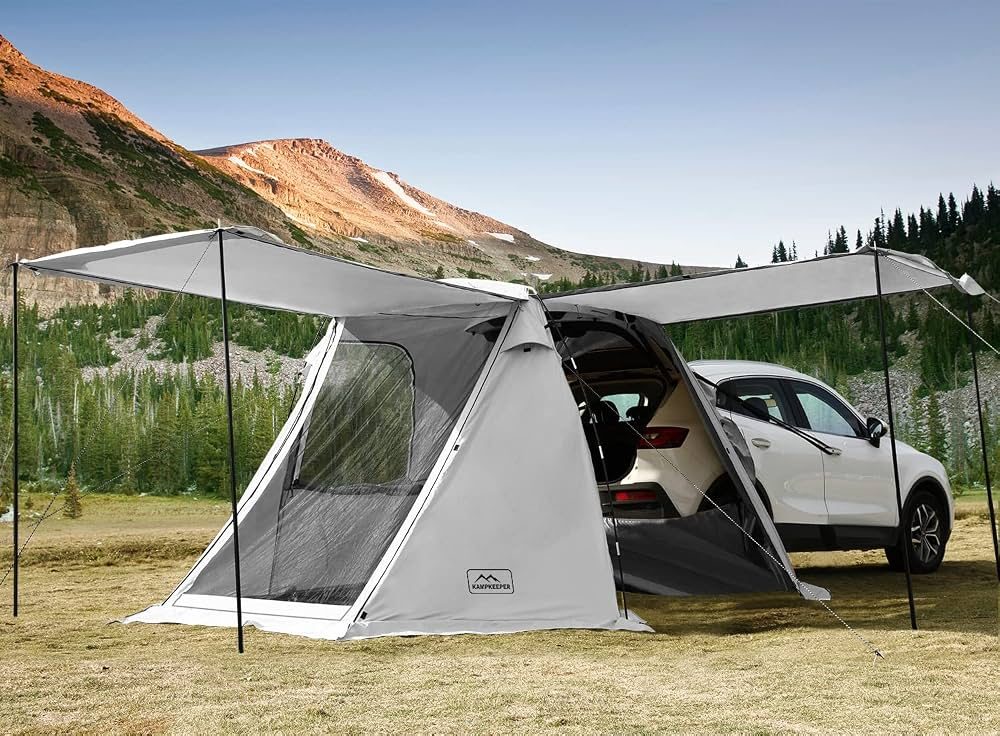
Car camping is where the choice gets interesting, because weight stops mattering and comfort takes over. A double air mattress in a big tent is genuinely comfortable — close to a real bed. But a pair of thick self-inflating pads (7–10 cm) is nearly as comfortable, far warmer, and needs no pump or power.
Our take: if your tent is big and the nights are warm, the air mattress is the luxury pick. If nights are cool or you value simplicity, thick pads win. Many experienced car campers end up with pads for exactly this reason.
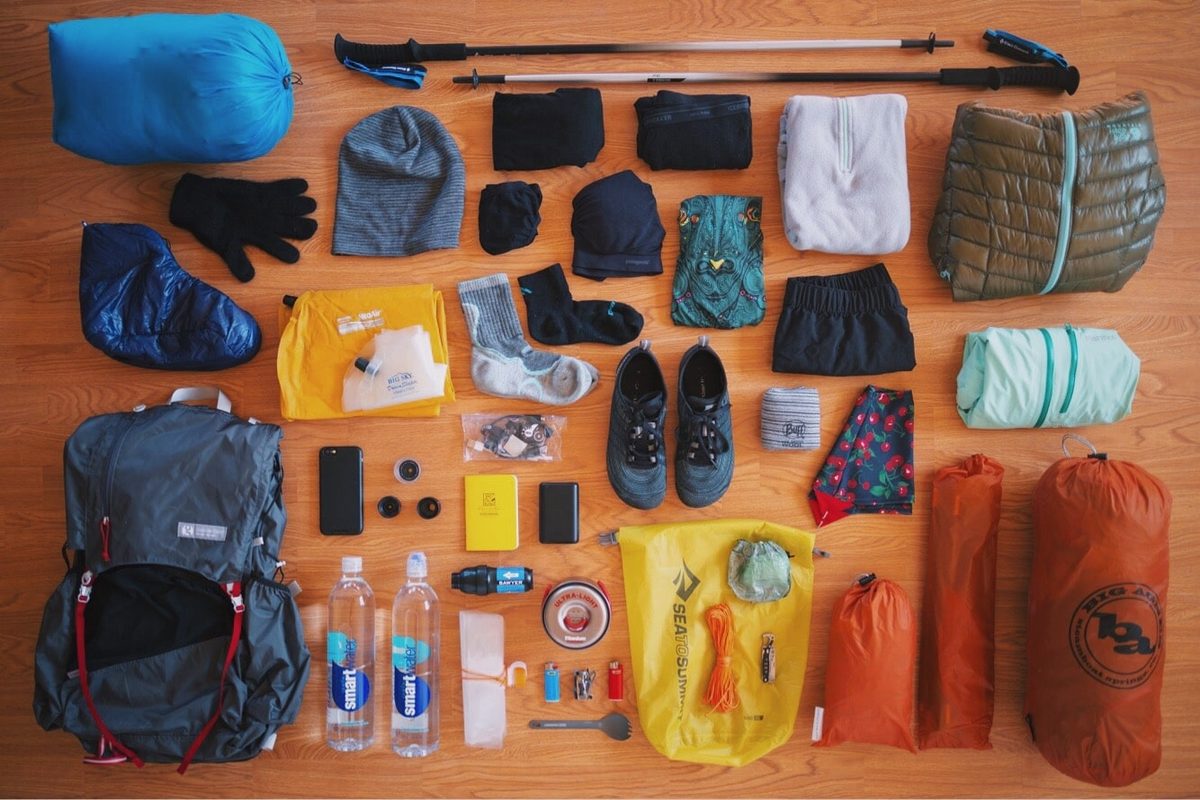
There is no real debate here: backpacking means a camping pad. The weight and size difference is so large that carrying an air mattress on a trail is not a choice anyone makes twice. The question is which pad: ultralight air pads for weight-counters, self-inflating for comfort-first hikers, closed-cell foam for the indestructible option.
One tip from experienced hikers: a short pad (torso length) saves more weight than any other single swap, and your pack goes under your legs. Your knees will not notice.

Two people on one air mattress share every movement — your partner rolling over becomes your problem, because the air shifts. Two separate camping pads solve that completely: each person has their own surface, and you can even choose different firmness or insulation.
Double-wide camping pads exist, and they are the best of both worlds for couples who want to share: one surface, but with internal baffles that limit how much movement transfers. For couples, two pads or one double pad beats one air mattress.
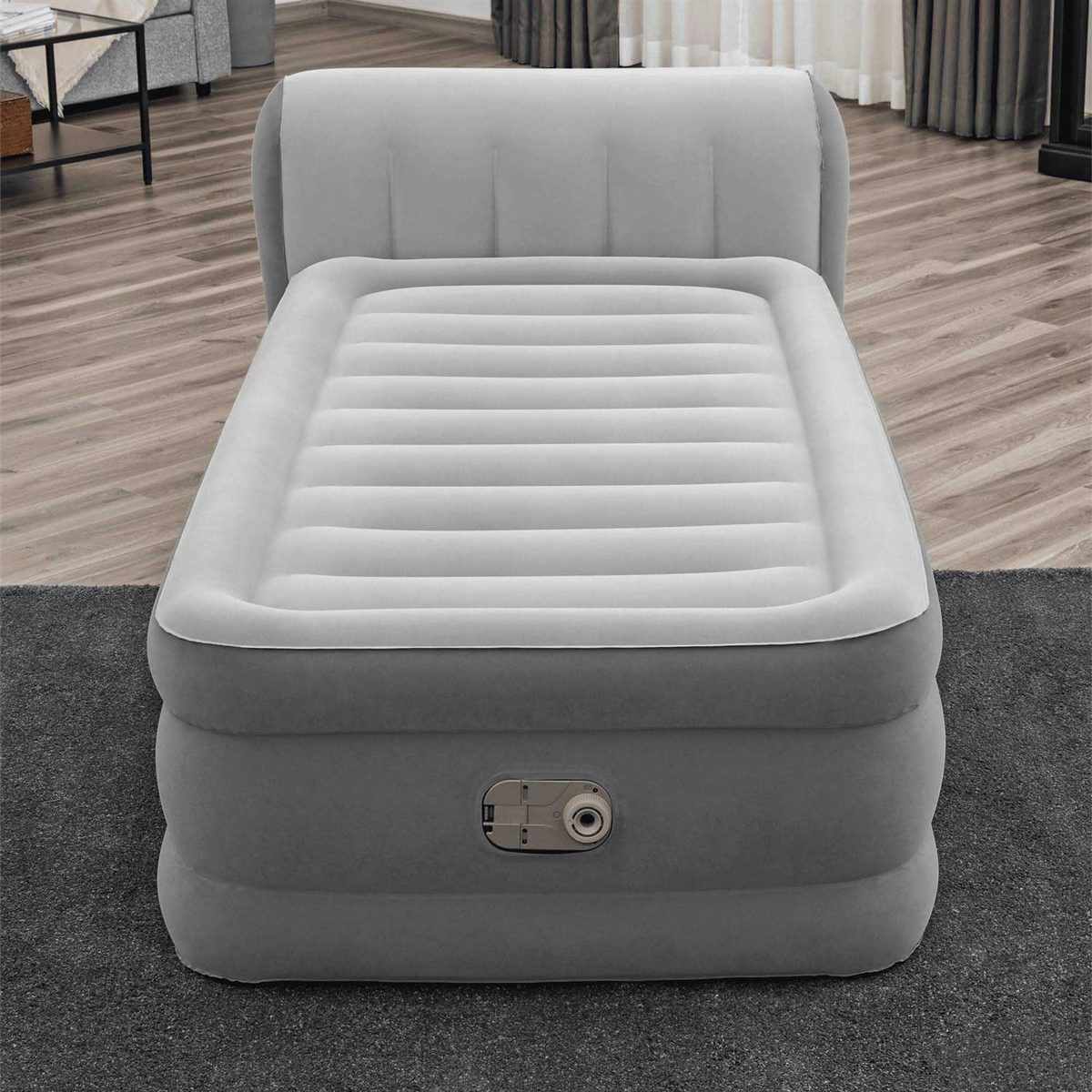
For guests, the air mattress is the right tool. It is bed-height (easy to get in and out of, especially for older guests), it takes standard sheets, and a good one with a built-in pump inflates in three minutes. A camping pad on the living room floor feels like camping — which is fine for one adventurous night and less fine for a week-long visit.
Choose a raised air mattress (40 cm or taller) with a flocked top so sheets stay put, and add a mattress topper if you want it to feel less like an air bed. Your guests will notice the difference.
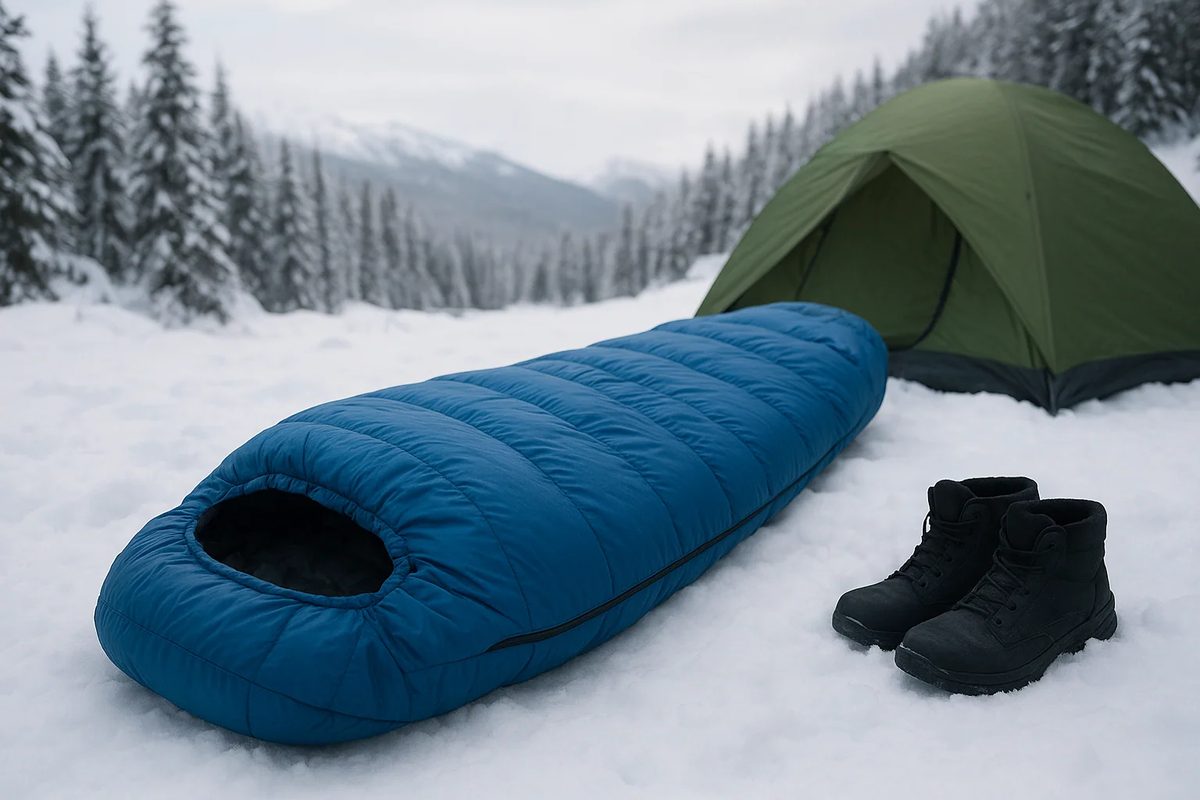
Below freezing, this comparison is not close. An air mattress on snow or frozen ground is a cold sink — the air inside equalizes with the ground temperature, and you will be cold no matter how good your sleeping bag is. A four-season camping pad (R-5 or higher) with reflective layers is designed for exactly this.
Winter campers sometimes stack: a closed-cell foam pad underneath an insulated air pad, combining durability, insulation and comfort. The combined R-values add up, and the foam pad protects the air pad from punctures.
Buy the air mattress for guests and warm-weather car camping, where comfort and bed height matter most. Buy the camping pad for everything involving a backpack, cold nights, or two people who don't want to share every toss and turn. If you camp from a car and want one sleep system, a pair of thick insulated pads is the most versatile choice — warm, comfortable, and no pump to forget.
Next: Best Travel Pillows for Long Flights
For car camping in warm weather, yes — it is comfortable and bed-height. For backpacking or cold nights, no: it is too heavy, too bulky and a poor insulator. A camping pad is the better tool for both.
R-1 to R-2 for warm summer nights, R-3 to R-4 for three-season use, R-5+ for winter or snow. When in doubt, go warmer — you can always vent a sleeping bag, but you cannot add insulation to a pad at 2 a.m.
Double-wide pads exist and work well for couples. Two separate pads are more versatile — each person picks their own firmness — and stop movement transferring between sleepers.
Most lose a little air as the material stretches and the air inside cools. A good mattress with a working valve loses very little; a slow leak means a puncture or a failing valve. Top it up before bed on the first night.
A thicker pad or mattress — side sleepers need depth so hips and shoulders don't bottom out. Look for 8 cm or more in a pad, or a raised air mattress.
Put a non-slip rug pad or a fitted sheet underneath, or place it on carpet rather than a hard floor. A mattress topper also adds grip and comfort.
Fifteen travel pillows, from scarf supports to ultralight camp pillows — ranked by how well they actually let you sleep sitting up.
Read the guide →
Fifteen cooling pillows, ranked by how they actually handle heat — not by marketing claims.
Read the guide →
The shoulder gap decides everything. Measure it once, and you'll never buy the wrong pillow again.
Read the guide →