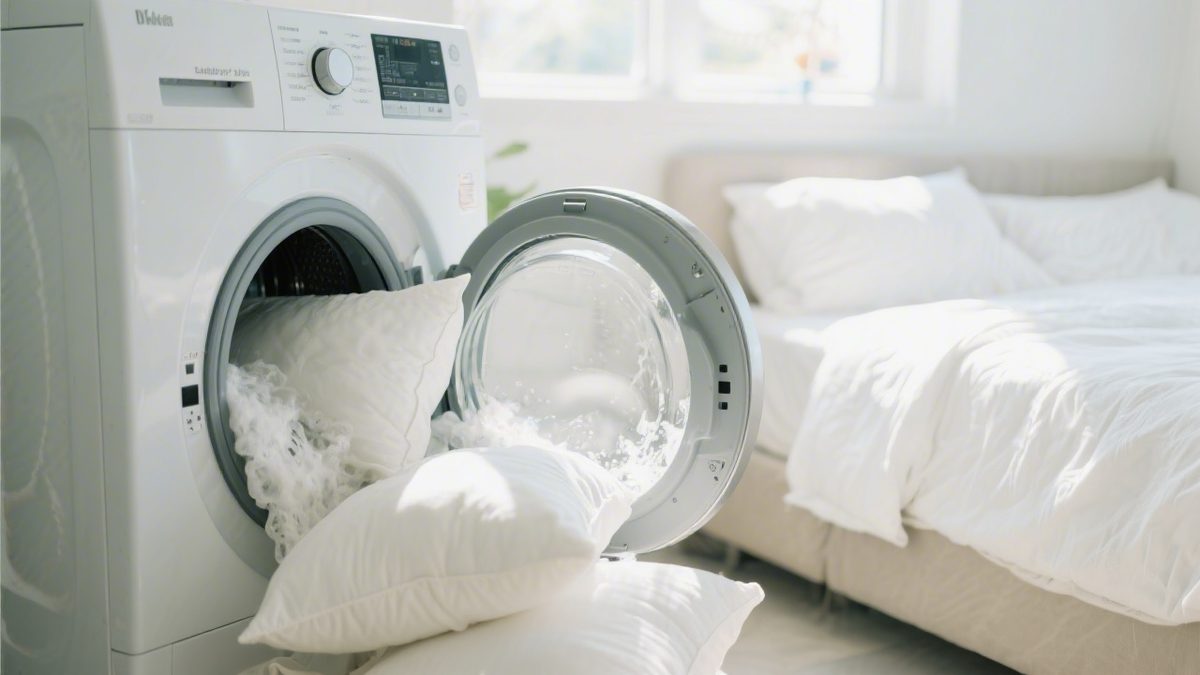
Pillow care
How to Wash Pillows (and When to Throw Them Out)
Most pillows can be washed — but memory foam can't, and drying matters more than washing. Here's the method for every fill.
Read the guide →
The short answer is 1–2 years. The honest answer depends on your pillow — here's how to tell.
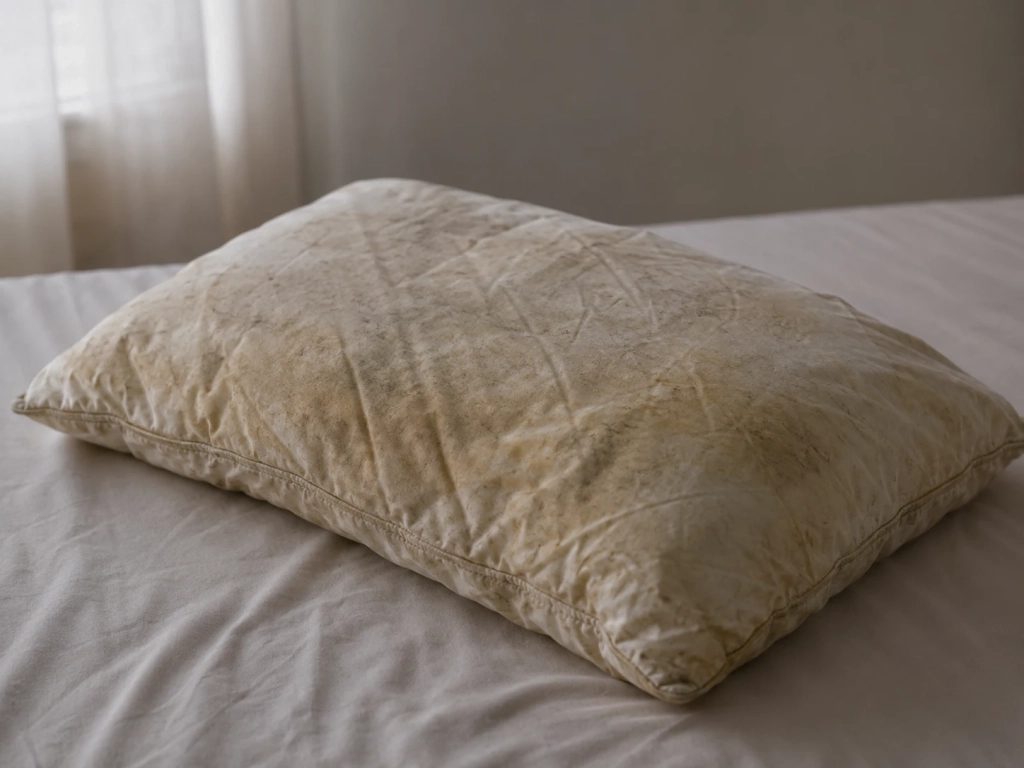
You spend about a third of your life on your pillow, and it spends that time absorbing sweat, skin oils and dust — while its fill slowly loses the ability to spring back. The standard advice is to replace it every one to two years, and for most pillows that is about right. But 'most pillows' hides a wide range: a latex pillow can last three or four years, while a cheap polyester one may be done in twelve months.
This guide gives you the real signs — the fold test, the stains, the morning clues — plus lifespan by fill type and what to do with the old pillow when its time comes.
Direct answer: Replace most pillows every one to two years: polyester and down-alternative pillows usually last 1–2 years, while latex can last three or four. If a pillow stays folded, smells musty after washing or leaves you waking stiff, replace it now.
| Fill type | Typical lifespan | First sign it's done |
|---|---|---|
| Polyester / down alternative | 1–2 years | Goes flat, clumps |
| Down / feather | 2–3 years | Loses loft, quills poke through |
| Memory foam | 2–3 years | Stays compressed, smells |
| Latex | 3–4 years | Crumbles or hardens |
| Buckwheat / kapok | 2–3 years | Fill breaks down, dust |
Typical lifespan by fill
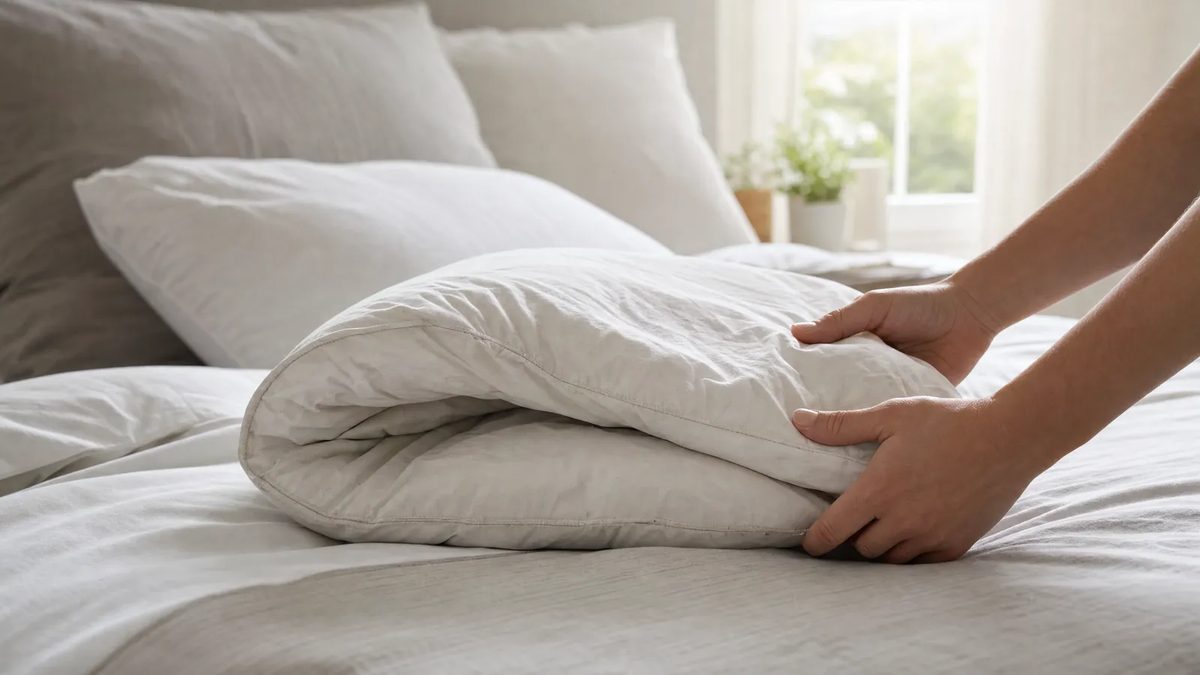
Fold your pillow in half and let go. A healthy pillow springs back open within a few seconds. A dead one stays folded — or unfolds slowly and limply. That is the whole test, and it works for down, polyester and shredded fills.
For solid foam pillows, press the center firmly and release: the foam should rebound to its full height in a few seconds. If a handprint lingers for a minute, the foam has lost its resilience.
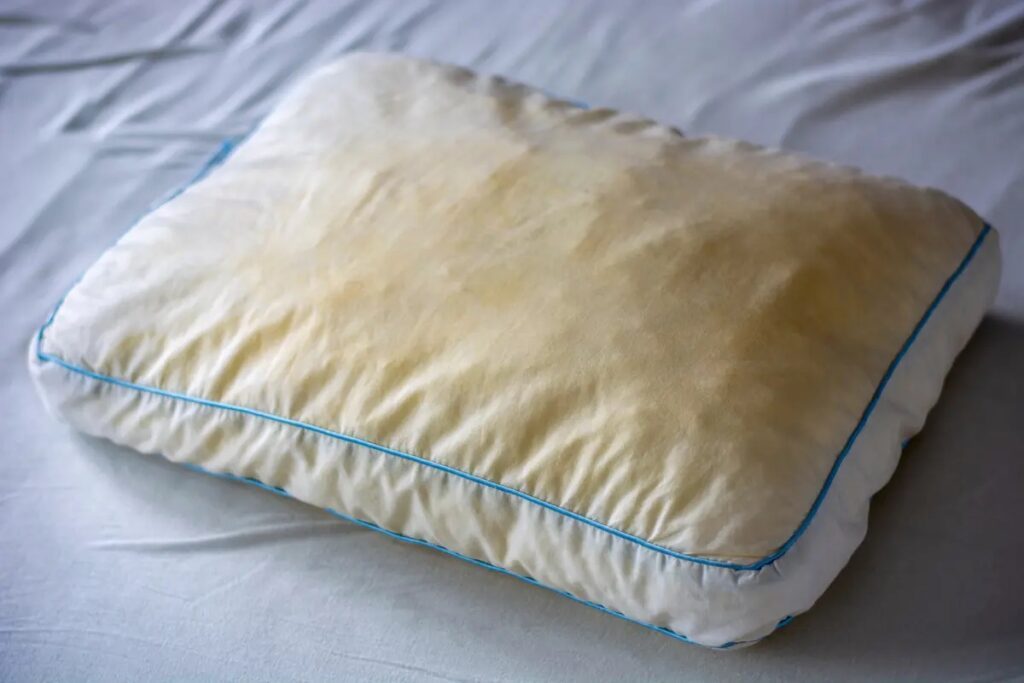
Yellow staining is normal — it is mostly sweat and body oils, and it happens even with a pillowcase. Stains alone are not a reason to replace a pillow that still supports well. But stains plus a smell that survives washing, or stains plus flattening, mean the fill is breaking down and holding moisture.
A musty smell that returns within days of washing is the clearest sign the inside of the pillow has had it. No amount of fresh cases fixes a core that stays damp.
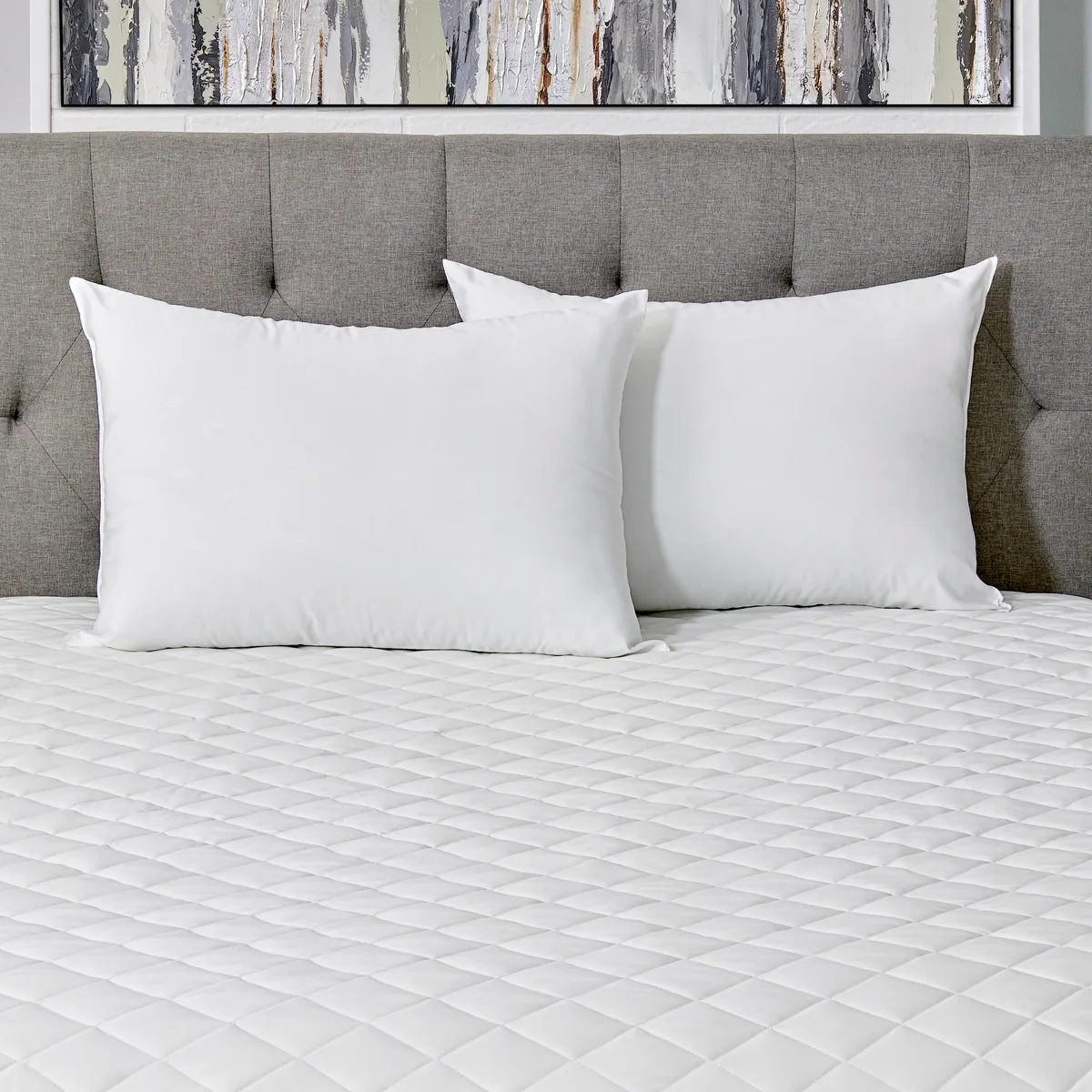
The 1–2 year figure comes from manufacturers and sleep researchers, and it is a reasonable default for polyester and down-alternative pillows — the most common types. But a latex pillow with a protector, washed covers and a cool bedroom can serve well for three or four years.
Ignore the calendar when the pillow still passes the fold test, smells fresh and holds its loft. Replace on schedule when it does not — the calendar is a reminder, not a law.
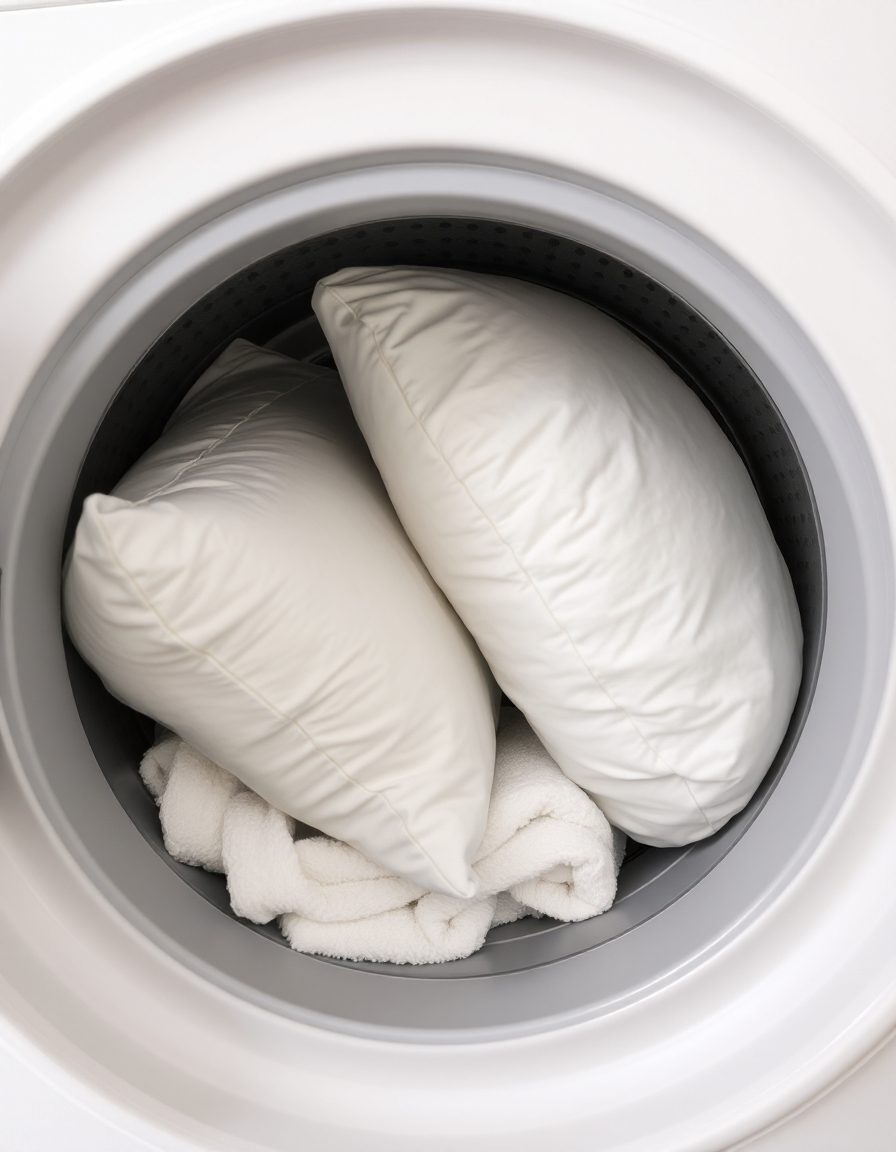
Regular washing extends a pillow's life by removing the sweat and oils that break fill down. Most polyester and down pillows can be machine washed every three to six months — our full washing guide covers each fill type. A pillow protector between the pillow and the case does even more: it keeps most of the moisture out in the first place.
But washing cannot restore dead fill. If the pillow fails the fold test after a wash and a full dry, it is done — the structure is gone, not just dirty.
Pillows accumulate dust mites over time — microscopic creatures that feed on shed skin cells and thrive in warm, humid bedding. Their droppings are a common allergen, and they build up inside the pillow where vacuuming cannot reach.
If you wake up sneezing or with a stuffy nose that clears by mid-morning, your pillow may be part of the problem. Hot washing (where the care label allows it) and an allergen-proof protector help; a pillow past its lifespan will not improve, whatever you do to it.
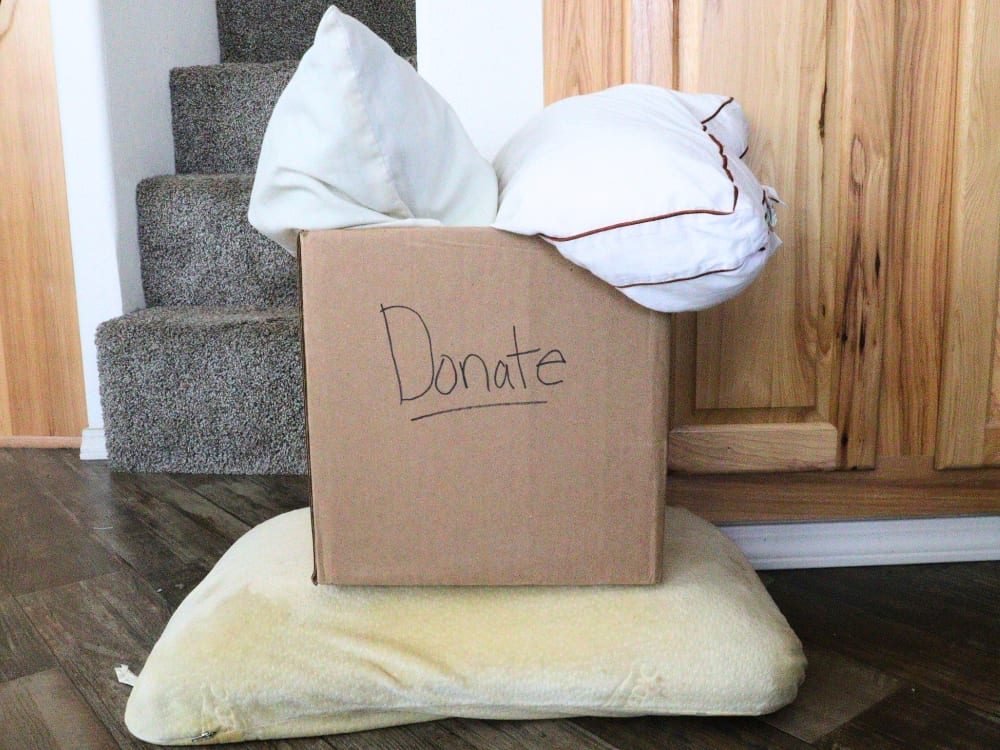
Most charities will not take used pillows for hygiene reasons, so donation is rarely an option. The better routes: animal shelters often accept old pillows as pet bedding (call first), and textile recycling programs take them for insulation or rags. Feather and down fills can be composted in small amounts where facilities exist.
If none of those work locally, the pillow goes in the trash — but strip the cover first, since the fabric is usually recyclable as textile waste.

Start from your sleep position, not from a brand. Side sleepers need loft (see our side-sleeper guide); back sleepers need medium loft; stomach sleepers need low and soft. Hot sleepers should look at cooling fills. Then pick a fill you can maintain: if you will not wash covers, choose a pillow with a protector from day one.
Buy from a retailer with a real trial period. A pillow that feels fine for five minutes in a shop can feel wrong after five nights — the trial is the only honest test.
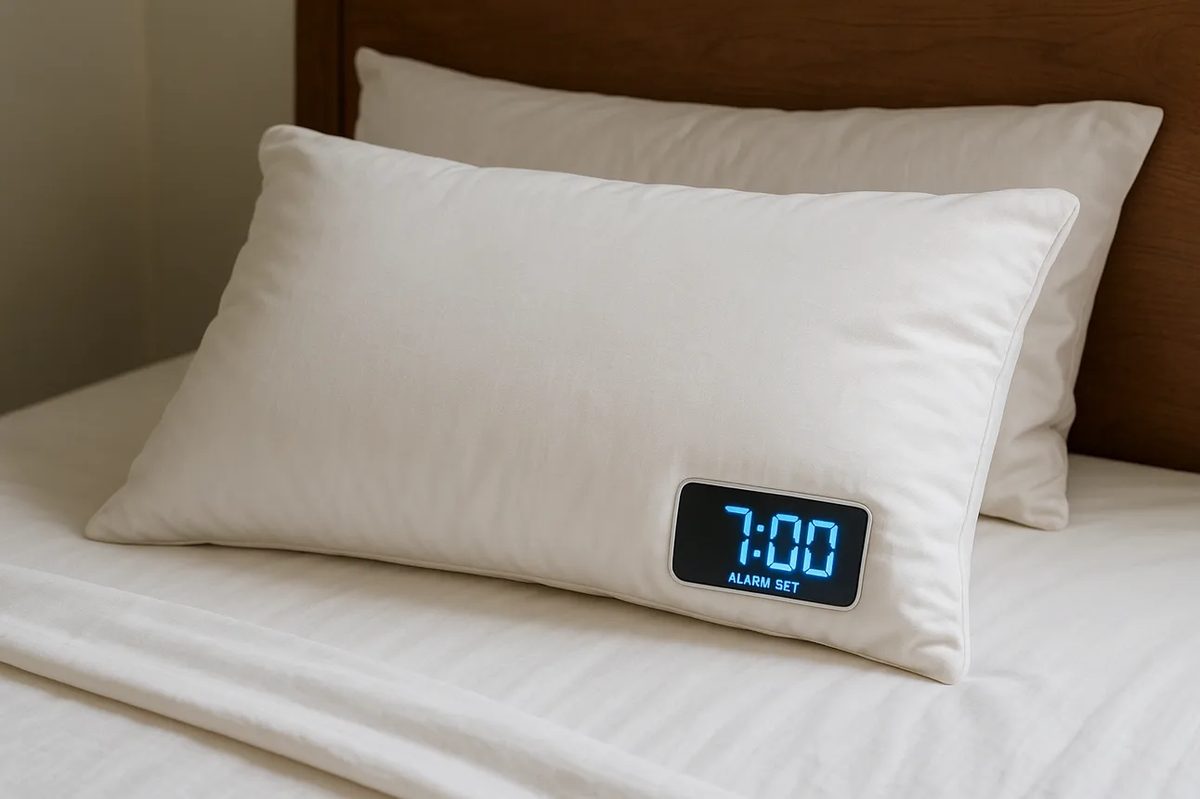
The easiest system: when a new pillow arrives, set a phone reminder for 18 months ahead titled 'fold test the pillow'. When it fires, do the test. If the pillow passes, snooze the reminder six months. If it fails, you already know what to do.
Write the purchase date on the pillow's care label with a laundry marker. Two years from now, you will be glad you did.
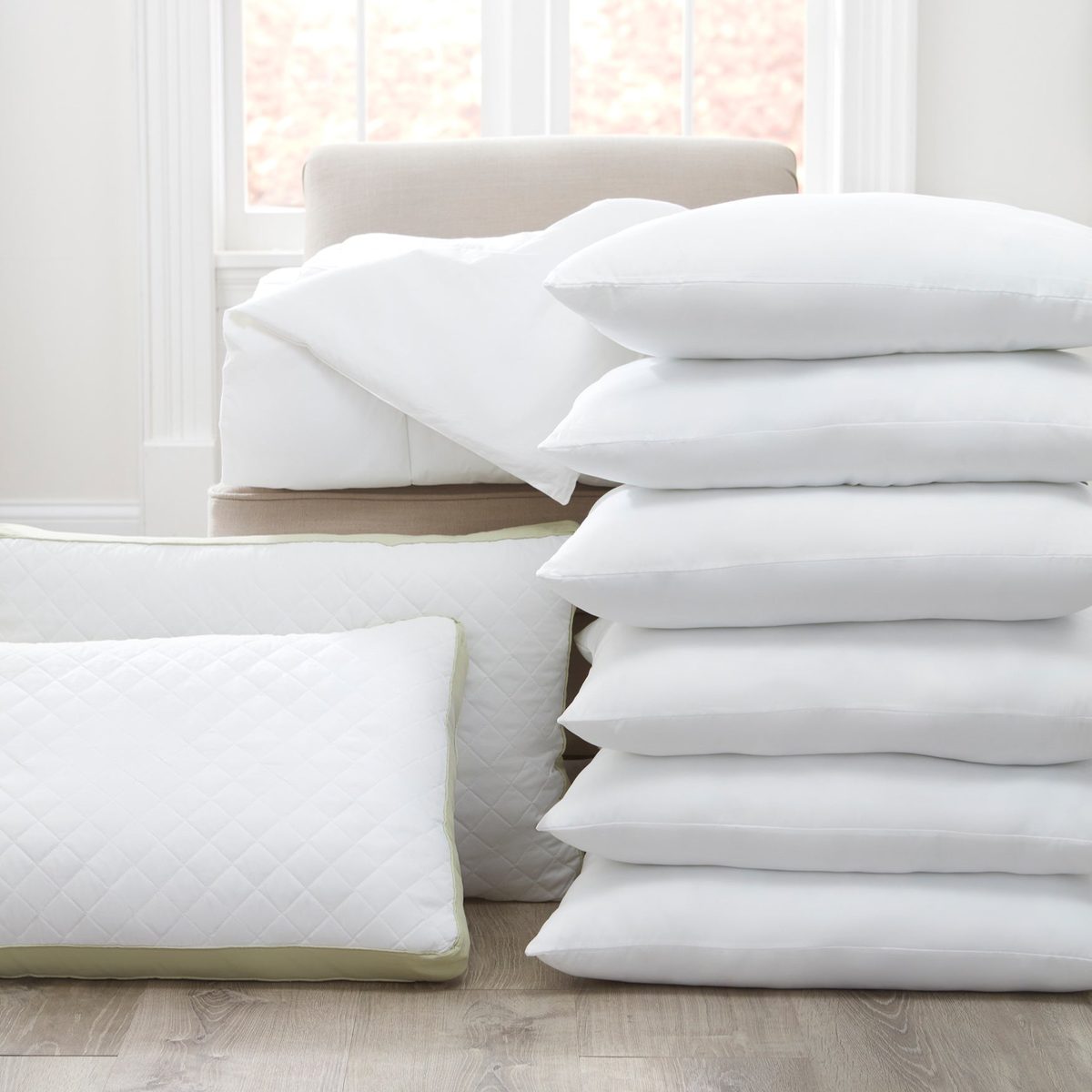
People will spend hundreds on a mattress and then sleep on a five-year-old pillow. The pillow is the part your head actually touches — it sets your neck angle for eight hours a night. A good one costs less than a dinner out and changes how you feel every single morning.
If your pillow fails the fold test, do not overthink the replacement. Start with our cooling pillow guide if you sleep hot, or the side-sleeper guide if that is your position — and put a protector on the new one from the first night.
Do the fold test tonight. If your pillow springs back, smells fresh and holds its loft, keep it and set a reminder for six months. If it stays folded, smells musty after washing, or leaves you waking stiff, it has served its time — replace it from your sleep position outward, and protect the new one from night one.
Next: How to Wash Pillows (and When to Throw Them Out)
Every 1–2 years for polyester and down-alternative pillows; 2–3 years for down and memory foam; 3–4 years for latex. The fold test is more reliable than the calendar.
The fill flattens and stops supporting your neck, and the pillow accumulates sweat, oils and dust mites. Most people notice worse sleep and morning stiffness before they notice the pillow itself.
Washing helps — it removes oils and allergens and can revive loft temporarily. But it cannot restore fill that has structurally broken down. If the pillow fails the fold test after washing, replace it.
If you wake up with a stiff or sore neck that eases during the day, and the pillow is old, flat or the wrong loft for your position, the pillow is a likely contributor. Persistent pain deserves a clinician's opinion.
If they are the same age and fill, yes — they have had the same life. If one is newer or a different type, judge each on its own fold test.
Often, yes — latex and high-quality down outlast cheap polyester by years. But price is not a guarantee: a mid-range pillow with a protector and regular washing can outlast an expensive one that is neglected.
Most pillows can be washed — but memory foam can't, and drying matters more than washing. Here's the method for every fill.
Read the guide →
The shoulder gap decides everything. Measure it once, and you'll never buy the wrong pillow again.
Read the guide →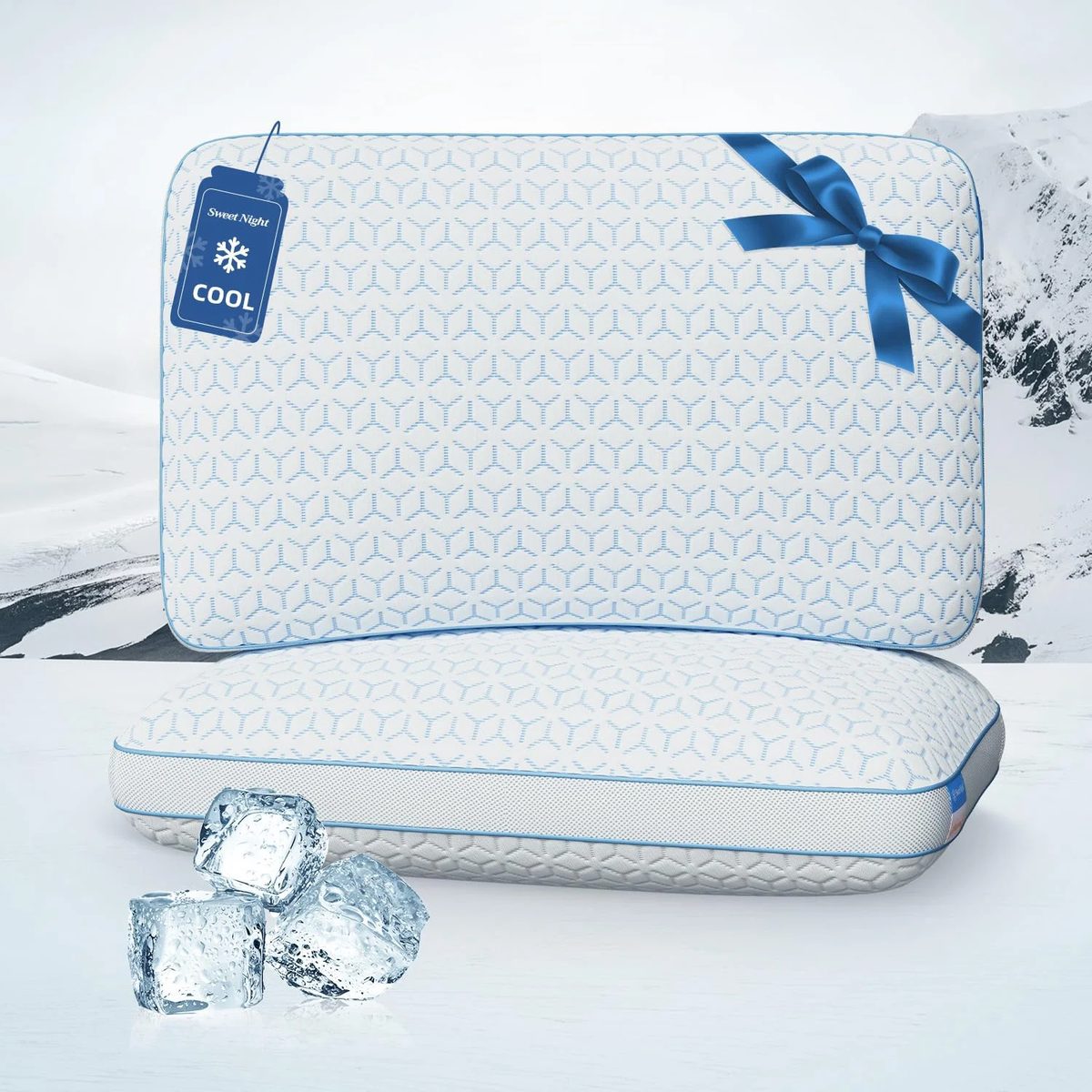
Fifteen cooling pillows, ranked by how they actually handle heat — not by marketing claims.
Read the guide →