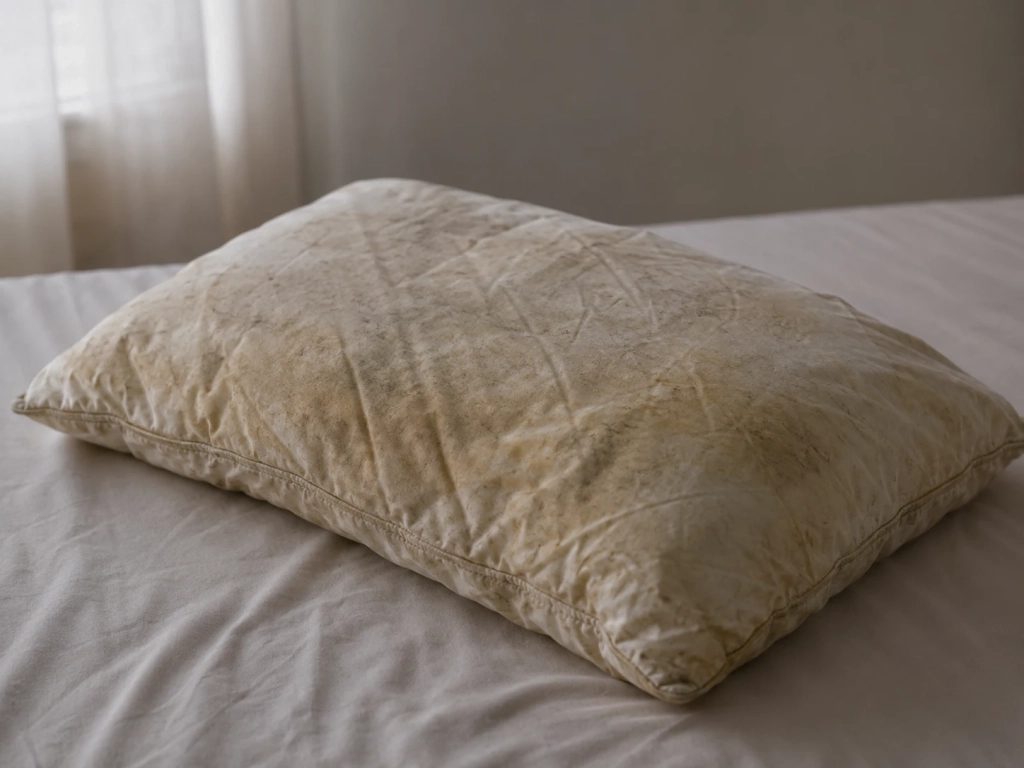
Pillow care
How Often Should You Replace Your Pillow?
The short answer is 1–2 years. The honest answer depends on your pillow — here's how to tell.
Read the guide →
Most pillows can be washed — but memory foam can't, and drying matters more than washing. Here's the method for every fill.
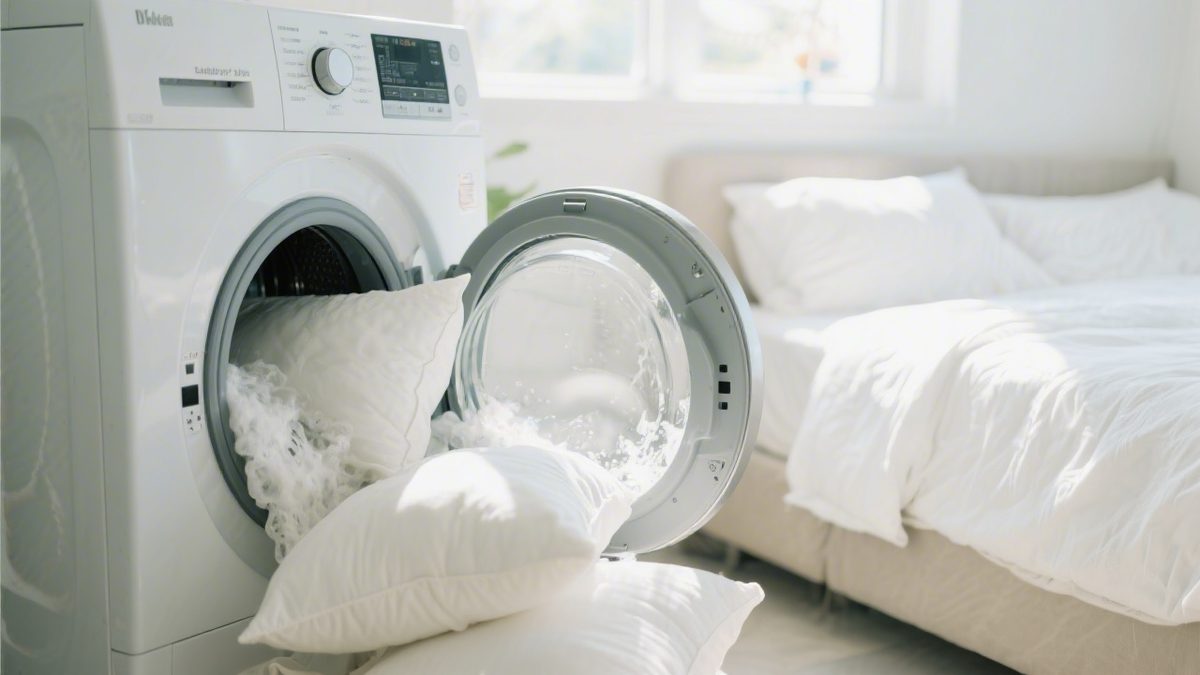
Your pillow absorbs a remarkable amount in a year: sweat, skin oils, drool, dust mites and whatever your hair brought to bed. Washing it every three to six months keeps it fresh, extends its life and helps with allergies — but only if you wash it the right way for its fill. Get it wrong and you can destroy a good pillow in one cycle.
This guide covers every common fill: what goes in the machine, what gets spot-cleaned, what should never see water at all — and how to dry a pillow properly, which is where most people go wrong.
Direct answer: Wash polyester, down and feather pillows on a gentle warm cycle and dry them longer than you think they need. Spot-clean solid memory foam instead of machine-washing it, and wash washable pillows every three to six months.
| Fill | Machine wash? | Dry |
|---|---|---|
| Polyester / down alternative | Yes — gentle, warm | Tumble low + dryer balls |
| Down / feather | Yes — gentle, mild detergent | Tumble low, long + balls |
| Memory foam (solid) | No — spot clean only | Air dry flat |
| Shredded foam | Cover only | Air dry |
| Latex | No — spot clean only | Air dry, no sun |
| Buckwheat | No — empty hulls, wash case | Air dry case |
Wash guide by fill
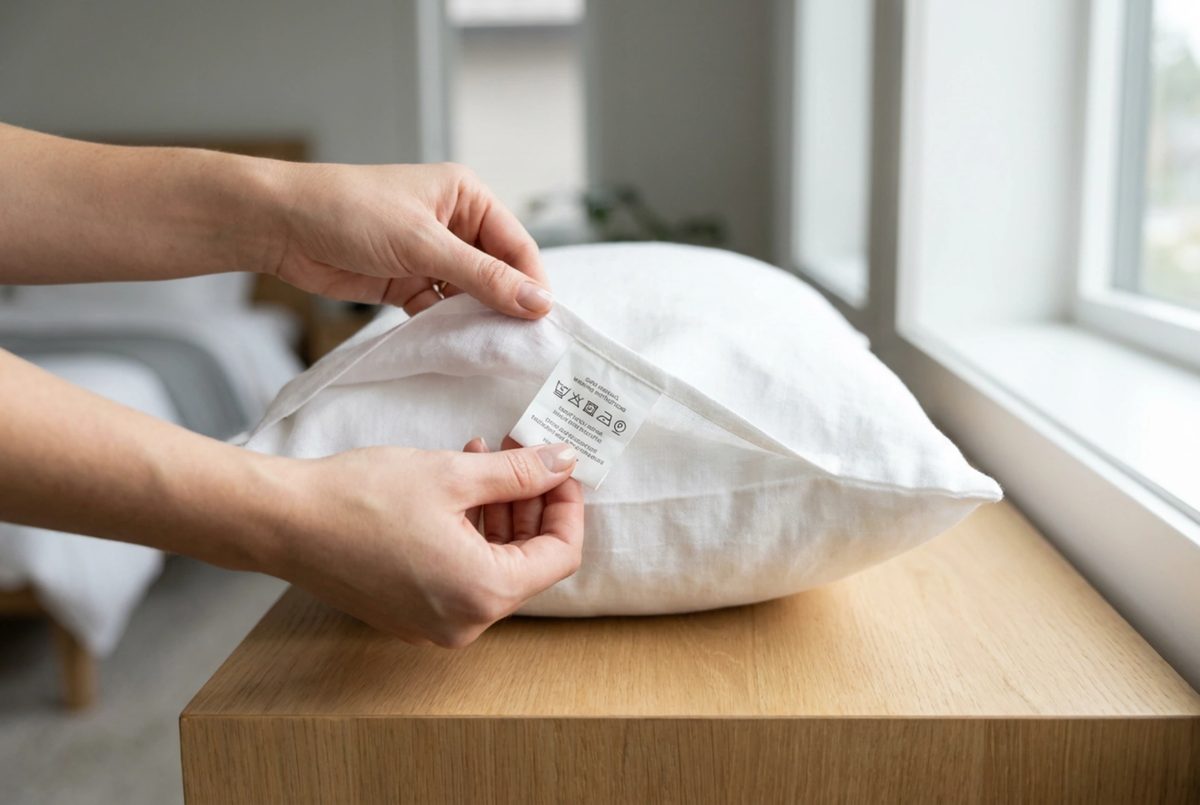
Every pillow has a care label, usually sewn into a side seam. It tells you the fill, the maximum water temperature and whether machine washing is allowed. That label overrides everything in this guide — if it says dry clean only, believe it.
If the label is missing or unreadable, assume the pillow is spot-clean only. It is better to under-wash a pillow than to destroy it in one hot cycle.
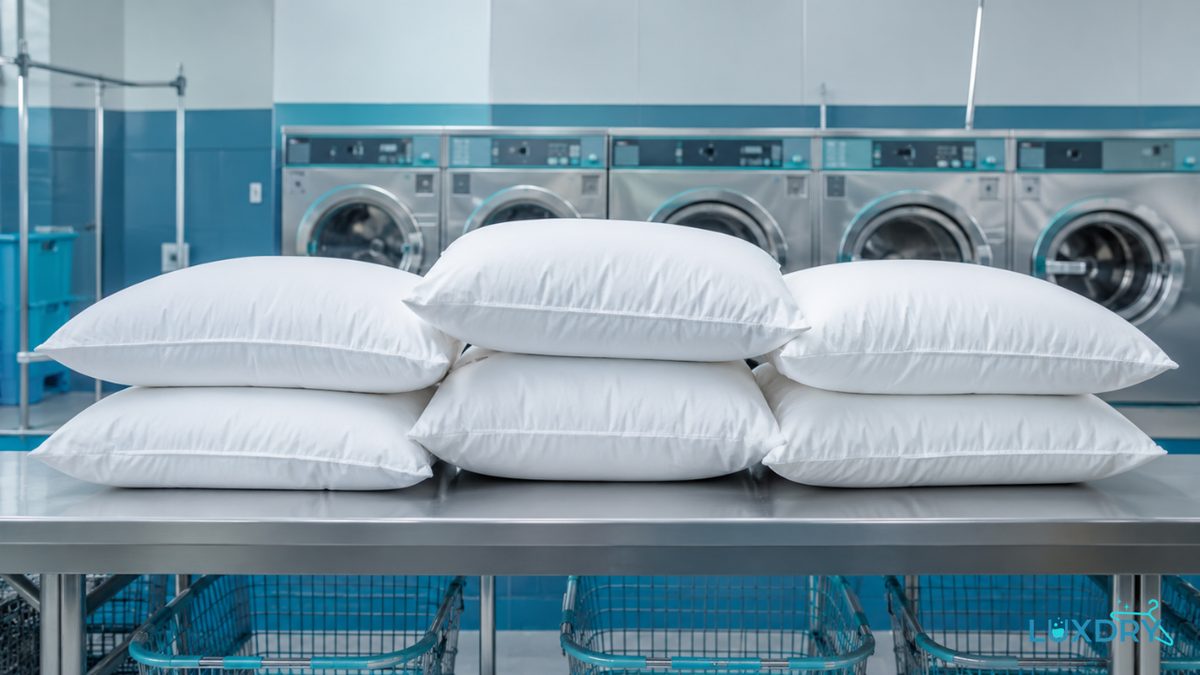
Down, feather and polyester pillows can go in the machine: gentle cycle, warm water, a small amount of mild detergent. Wash two at a time to balance the drum — a single pillow throws a top-loader off balance and a front-loader will still clean better with a pair.
Use less detergent than you think. Pillows hold suds, and residue left in the fill attracts dirt faster. Run an extra rinse cycle if your machine offers one.
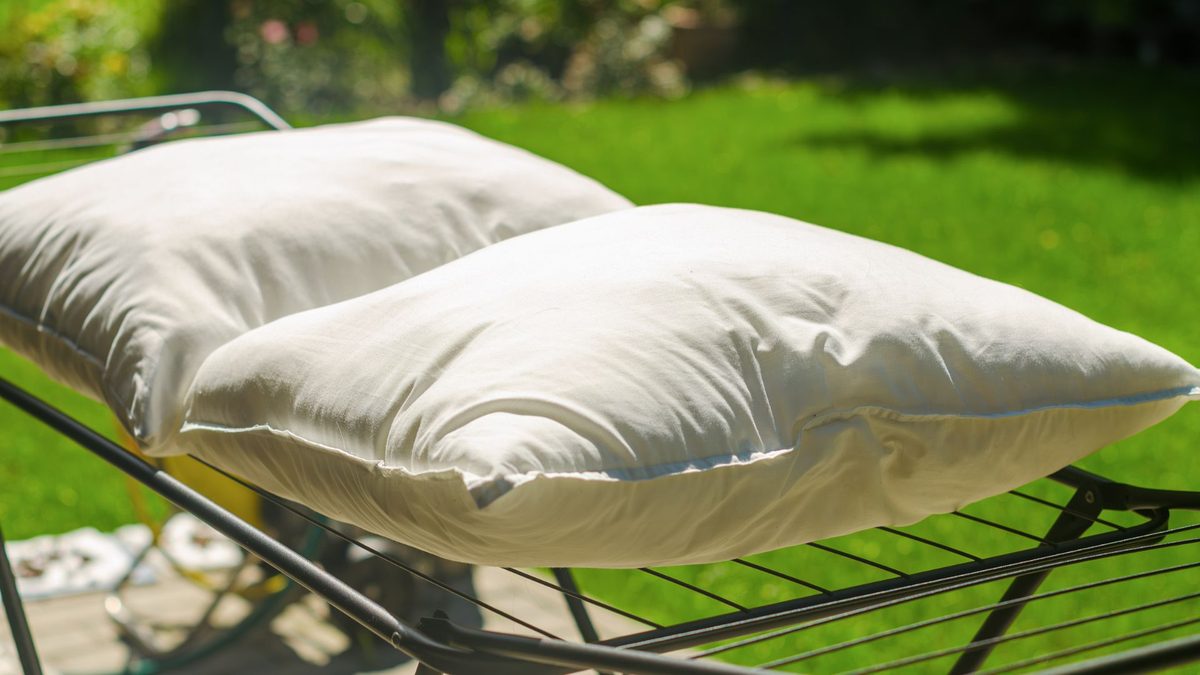
A damp pillow is worse than a dirty one: moisture trapped inside breeds mildew, and a pillow that smells musty after washing was not dried enough. Tumble dry on low heat — it can take two or three cycles for a down pillow to dry fully. Patience is the method.
Air drying works in dry, breezy weather: lay the pillow flat and flip it every few hours. It takes a full day or more. Never put a damp pillow back on the bed 'to finish drying' — it will not, and your sheets will pay for it.
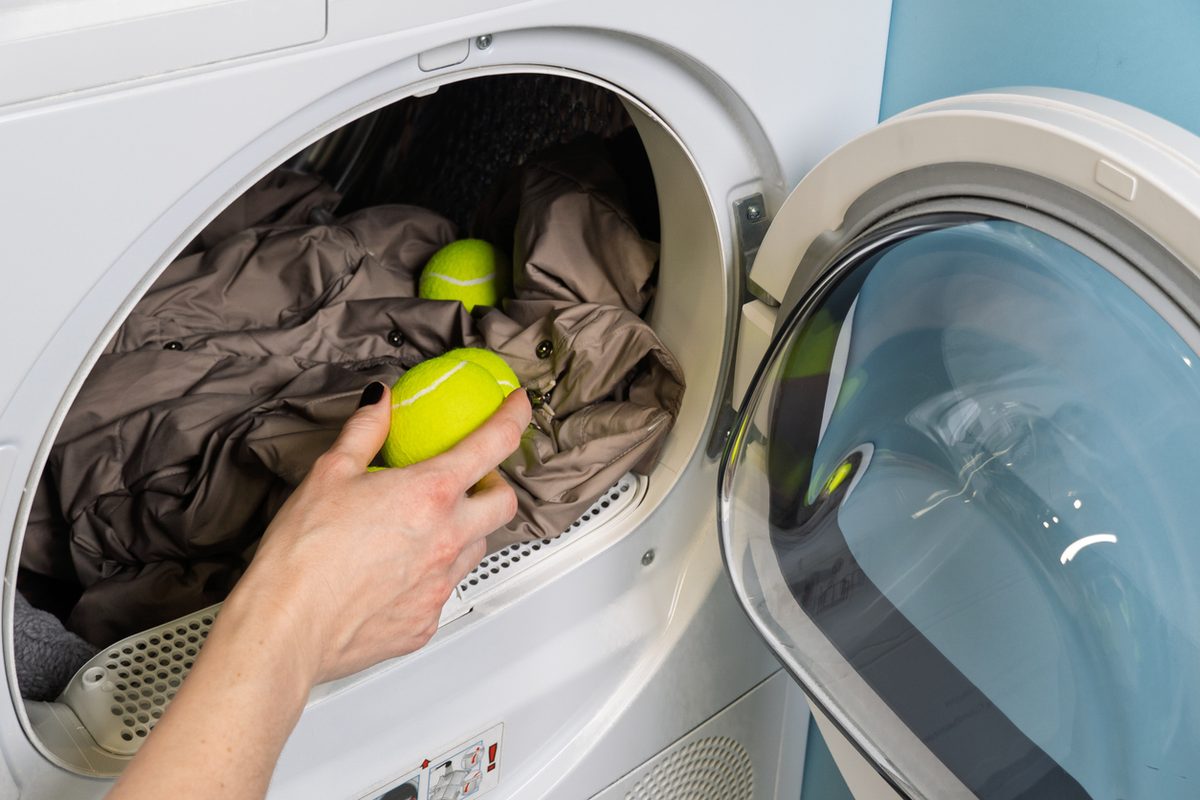
Two or three clean tennis balls (or wool dryer balls) in the dryer break up clumps as the pillow tumbles, so the fill dries evenly and fluffs back up instead of matting into lumps. It is the single most effective drying trick there is.
Stop the dryer every 30 minutes to fluff the pillow by hand and check for damp spots, especially in the center. A pillow that feels dry on the outside can still be damp in the middle.
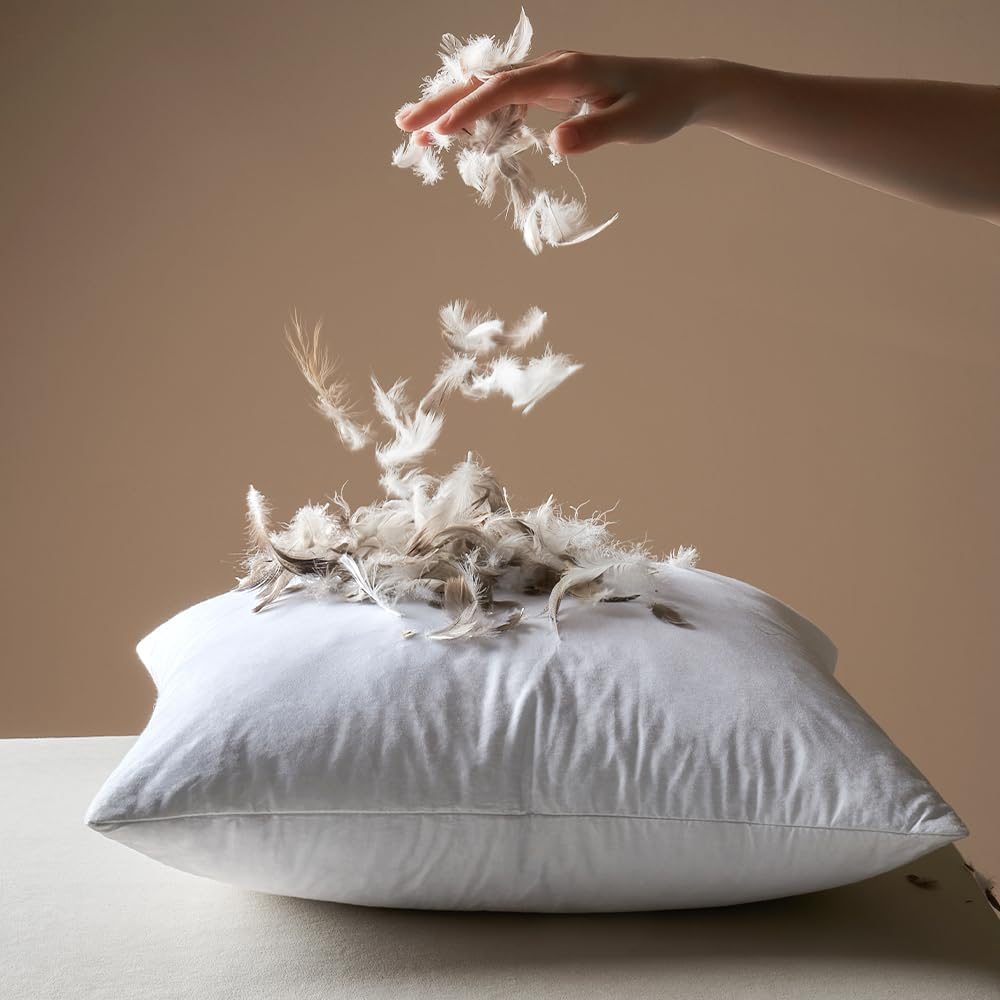
Feather and down pillows wash well but dry slowly — they are the pillows most likely to come out of the dryer still damp in the middle. Use a front-loader if you have one (an agitator can tear the ticking), mild detergent, and expect two to three low-heat drying cycles with dryer balls.
Check the seams before washing: a small tear lets feathers escape into the machine, and you will be finding them for weeks. Mend first, wash second.
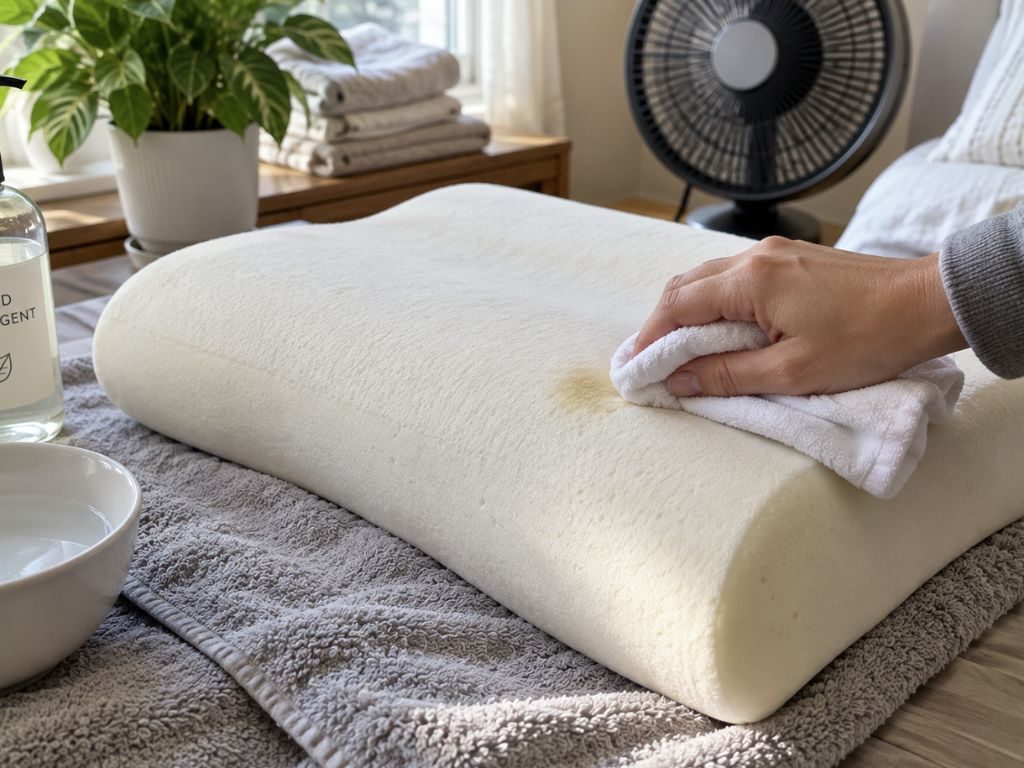
This is the rule that destroys pillows: solid memory foam must never go in a washing machine or dryer. Water breaks the foam's cell structure, and the agitation tears it apart. A machine-washed memory foam pillow comes out in pieces — or, worse, looks fine and crumbles over the next month.
Instead: remove and wash the cover, spot-clean the foam with a damp cloth and mild soap, and let it air dry flat away from direct heat. A protector is essential for foam pillows, because spot-cleaning is all the cleaning the core will ever get.
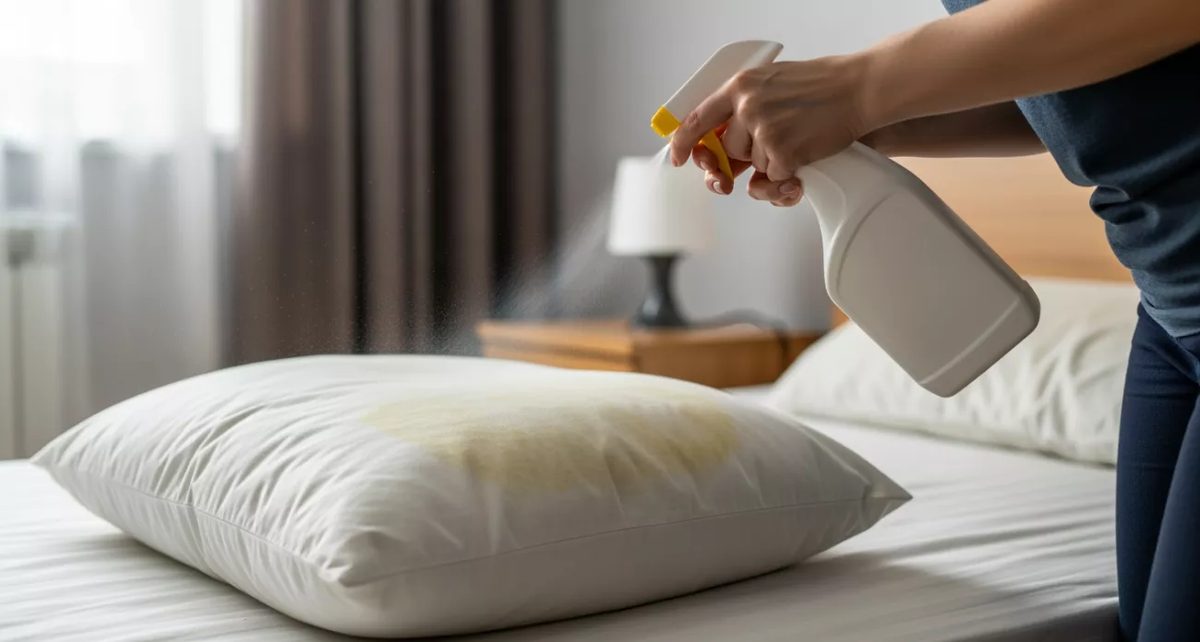
Yellow sweat stains respond to a paste of baking soda and water, or a small amount of oxygen-based stain remover, worked into the stain and left for 30 minutes before washing. Do not use chlorine bleach on down or foam — it damages both.
For blood or other protein stains, cold water only: hot water sets them permanently. Treat first, then wash on the cycle the fill allows.

Every three to six months for washable pillows, more often if you sleep hot, have allergies or go to bed with wet hair. Pillowcases should be washed weekly — they are the first line of defense — and protectors monthly.
Between washes, air the pillow out: put it in sunlight for a few hours every month or two. UV light helps with odor and dust mites, and fresh air does what no spray can.
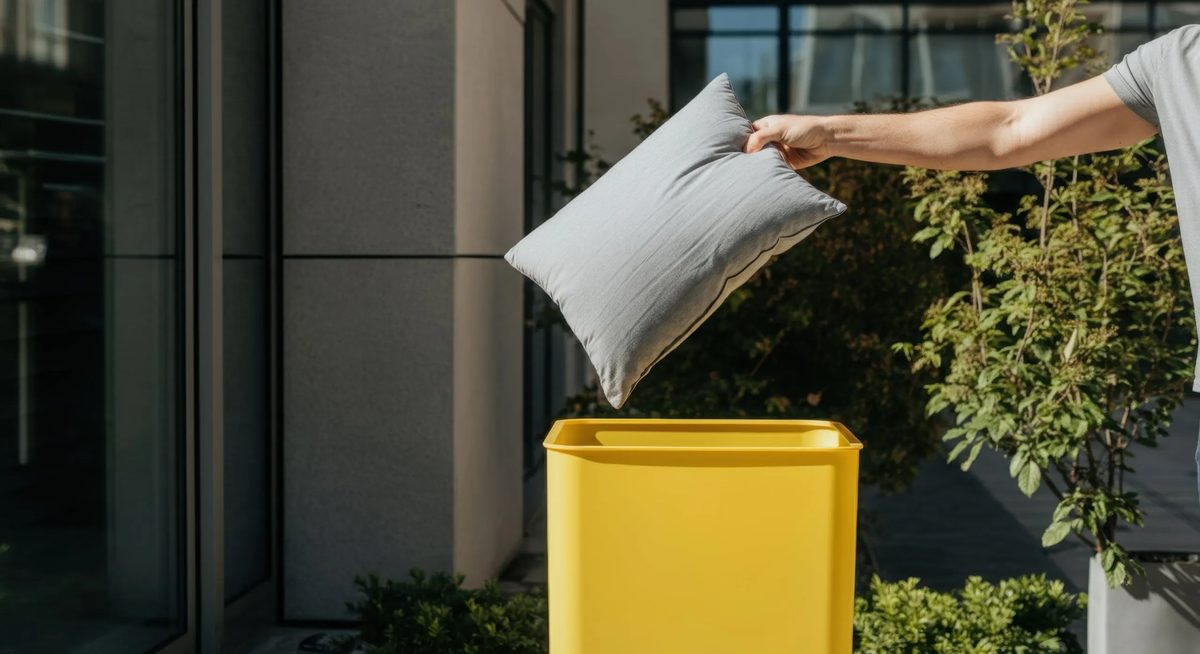
Washing cannot save a pillow that has lost its structure. If it fails the fold test after a wash and a full dry, if the foam crumbles, if the smell returns within days, or if the fill has clumped into hard lumps that will not break apart — it is time. Our guide on when to replace your pillow covers the full decision, including what to do with the old one.
One honest note: a pillow that has been washed ten times has had a good life. Replacing it is not wasteful — it is the cheapest sleep upgrade you can buy.
Wash the pillows you can, spot-clean the ones you can't, and dry everything longer than you think it needs. A clean pillow sleeps better, lasts longer and treats your allergies better — and the whole job takes one laundry afternoon every few months.
Next: How Often Should You Replace Your Pillow?
Down, feather and polyester pillows: yes, on a gentle cycle. Solid memory foam and latex: never — spot-clean only. Always check the care label first.
Gentle cycle, warm water, mild detergent, two pillows at a time for balance, extra rinse, and tumble dry low with dryer balls until completely dry. Drying fully is the step that matters most.
No — not in a machine. Water and agitation break the foam apart. Remove the cover and wash that; spot-clean the foam with a damp cloth and mild soap, then air dry flat.
Every three to six months for the pillow itself; pillowcases weekly; protectors monthly. More often if you sleep hot or have allergies.
It was not dried completely. Moisture trapped in the center breeds mildew. Dry on low heat for longer — down pillows can need two or three cycles — and check the center before putting it back on the bed.
Polyester and down pillows: yes, on low heat with dryer balls. Memory foam and latex: never — air dry only. High heat damages fill and covers.
The short answer is 1–2 years. The honest answer depends on your pillow — here's how to tell.
Read the guide →
The shoulder gap decides everything. Measure it once, and you'll never buy the wrong pillow again.
Read the guide →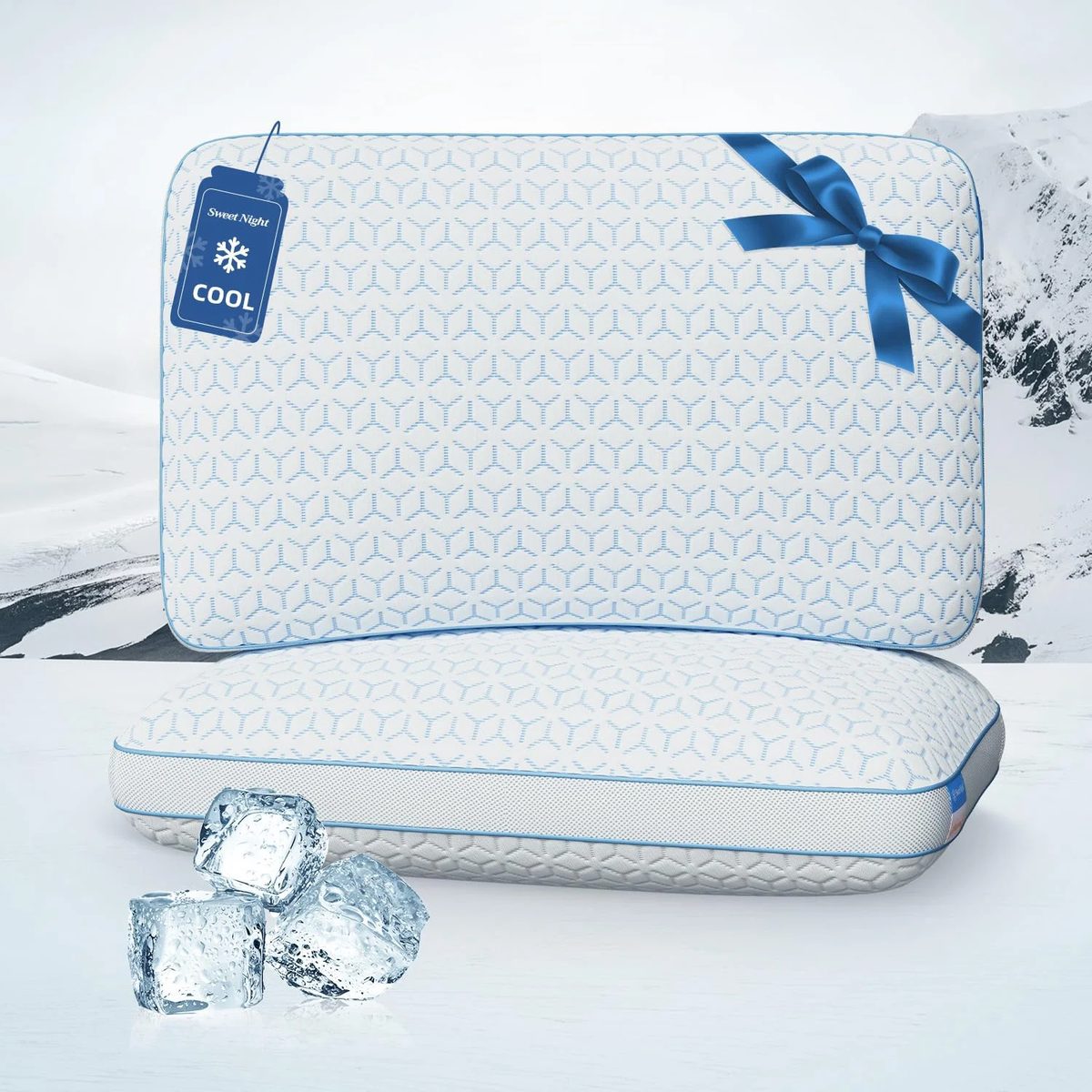
Fifteen cooling pillows, ranked by how they actually handle heat — not by marketing claims.
Read the guide →