
How We Test & Research
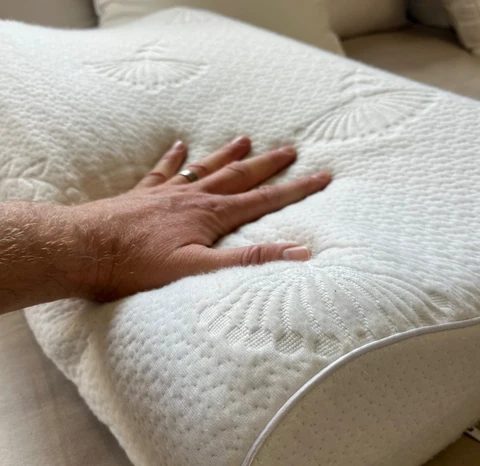
Every guide on this site follows the same method. We publish it here so you can judge our work — and disagree with it where it deserves disagreement.
One honest note up front: we are a research publication, not a test lab. We do not run a pillow laboratory, and we will not pretend our desk is one. What we do is slower and, for most buying decisions, more useful: we compare specifications, materials and certifications, and we read what thousands of verified buyers say after living with a product.
Step 1: Define the job
Every guide starts by defining what the product has to do. A cooling pillow has to move heat, not just feel cool for five minutes. A travel pillow has to keep your head up, not just feel soft. That definition decides what we measure — and it is why our rankings sometimes differ from bestseller lists, which measure popularity, not performance.
Step 2: Compare specifications
We collect the manufacturer's own numbers: fill type and weight, dimensions, loft, cover fabric, certifications (CertiPUR-US, GREENGUARD, OEKO-TEX), wash instructions and warranty. Where numbers conflict between the brand site and the retailer listing, we say so — and we trust the more conservative figure.
Marketing claims get checked against the spec sheet. 'Cooling' has to come from somewhere: gel content, ventilation, breathable fill or phase-change material. A cool-touch cover over a solid foam core is a five-minute effect, and we say so.
Step 3: Read buyer reviews for patterns
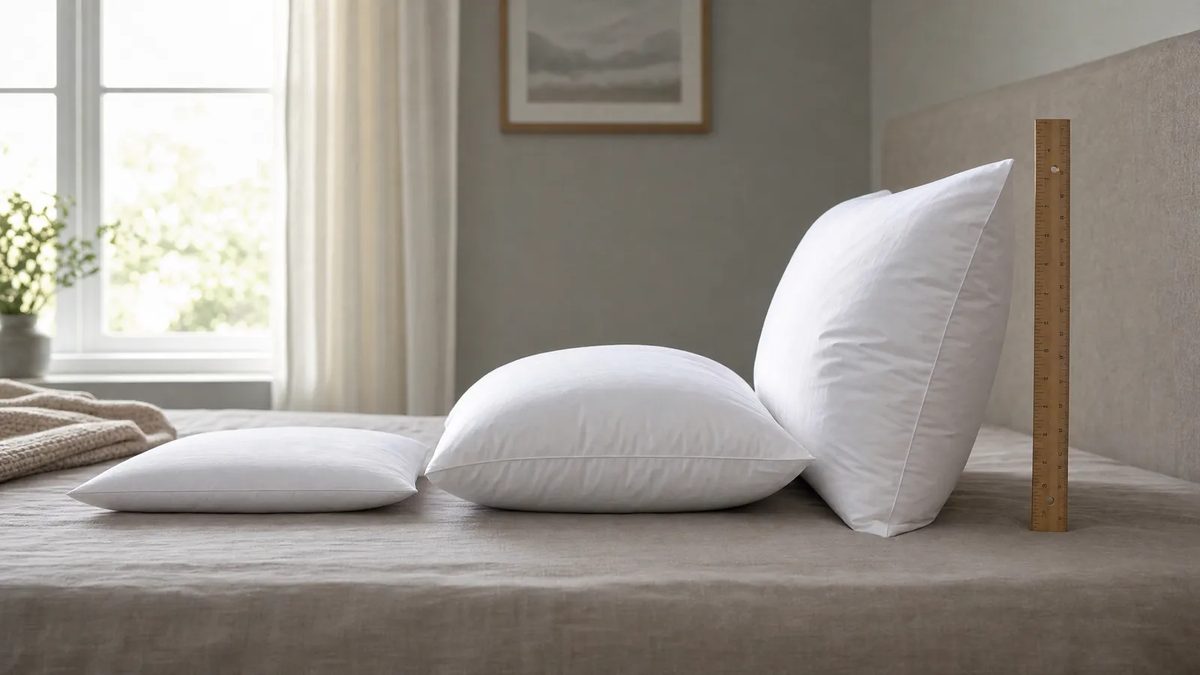
Star ratings are noisy. We read verified-buyer reviews looking for repeated patterns: the same complaint from twenty people is a fact; one angry review is an anecdote. We pay special attention to reviews written after a month or more of use, and to what people say when they return a product.
We also note what reviewers compare a product to. If buyers keep saying 'better than my old Coop' or 'not as firm as the Weekender', that comparison tells us more than any star count.
Step 4: Rank, then argue with the ranking
Rankings are drafted from the research, then challenged: is the winner actually the best for most people, or just the best on paper? Does the budget pick deserve its place, or is it cheap for a reason? Every recommendation carries a 'worth knowing' note precisely because no product is right for everyone.
We do not re-rank for commercial reasons. If a product's price changes or a new version appears, we update the guide and say what changed — the update date on every article is real.
What we don't do
We don't accept free products, sponsored placements or payment for rankings. We don't invent test scores — if a number appears in a guide, it comes from the manufacturer, a certification body or a cited source. We don't make health claims: comfort and support are fair game, cures are not. And we don't review products we haven't researched — if a product isn't in a guide, it wasn't researched for that guide, not that it failed.