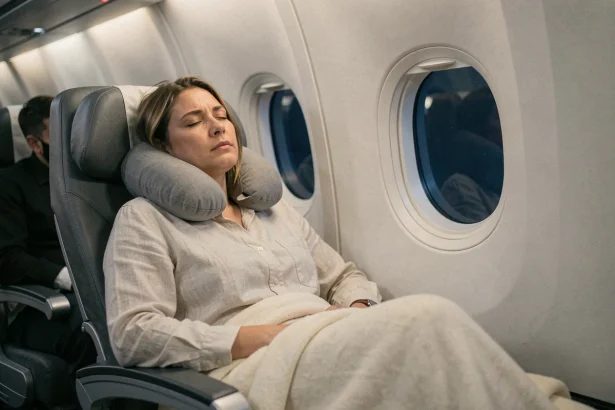
Travel sleep
How to Build a Carry-On Sleep Kit for Overnight Flights
Mask, earplugs, blanket and footrest: the five things that make an overnight flight sleepable.
Read the guide →
Fit beats the number on the box. Thirty earplugs in fifteen pairs of picks — for loud snorers, side sleepers, small ears and everyone who still needs to hear an alarm.
Direct answer: For a snoring partner, start with foam earplugs rated NRR 32–33 dB if you sleep on your back, or moldable silicone putty and low-profile reusable plugs if you sleep on your side. Fit matters more than the number on the box: a well-sealed 24 dB plug beats a loose 33 dB one.
Snoring is a fit problem disguised as a volume problem. The highest-rated foam plug in the world does nothing if it works loose at 2 a.m., and the most comfortable reusable does nothing if your partner snores like a freight train. The right pick depends on how you sleep, how loud the snoring is, and whether you still need to hear an alarm.
We compared thirty earplugs across foam, moldable putty, wax and reusable silicone, using each maker’s listed noise rating and fit design. Ratings below are printed exactly as listed — NRR and SNR are different test standards, so compare within each label. Our testing method explains how we weigh specs against owner feedback.
| Your situation | First pick | Also consider | Listed rating |
|---|---|---|---|
| Best overall balance | Loop Quiet 2 | Alpine SleepDeep | 24 dB SNR / 27 dB |
| Loudest snoring | Mack's Ultra Soft | HEAROS Xtreme | NRR 33 dB |
| Side sleepers | Mack's Pillow Soft | Alpine SleepSoft | NRR 22 dB / 25 dB SNR |
| Small ear canals | Mack's Slim Fit | HEAROS Nanos | NRR 31 / 28 dB |
| Sensitive ears | Mack's Dreamgirl | HEAROS Ultimate Softness | NRR 30 / 32 dB |
| Moldable seal | Alpine SoftSilicone | OHROPAX Classic | 28 dB / NRR 23 dB |
| Washable reusables | Loop Dream | Hearprotek | 27 dB SNR / NRR 32 dB |
| Bulk value | Howard Leight Max | Moldex Pura-Fit | NRR 33 dB |
| Low-pressure foam | Howard Leight Max Lite | Flents Quiet Contour | NRR 30 / 33 dB |
| Stays in all night | 3M E-A-Rsoft Neons | 3M 1100 | NRR 33 / 29 dB |
| Made for snoring | Mack's Snore Blockers | Mack's Maximum Protection | NRR 32 / 33 dB |
| Hear an alarm | Loop Quiet | Eargasm Squishies | 24 dB / NRR 22 dB |
| Nightly budget | Amazon Basic Care | LYSIAN | NRR 33 / 31 dB |
| Soft-foam feel | Moldex Softies | Moldex SparkPlugs | NRR 33 dB |
| Irregular canals | Ohropax Soft | Howard Leight Laser Lite | NRR 30 / 32 dB |
Thirty earplugs for a snoring partner, grouped by the problem they solve
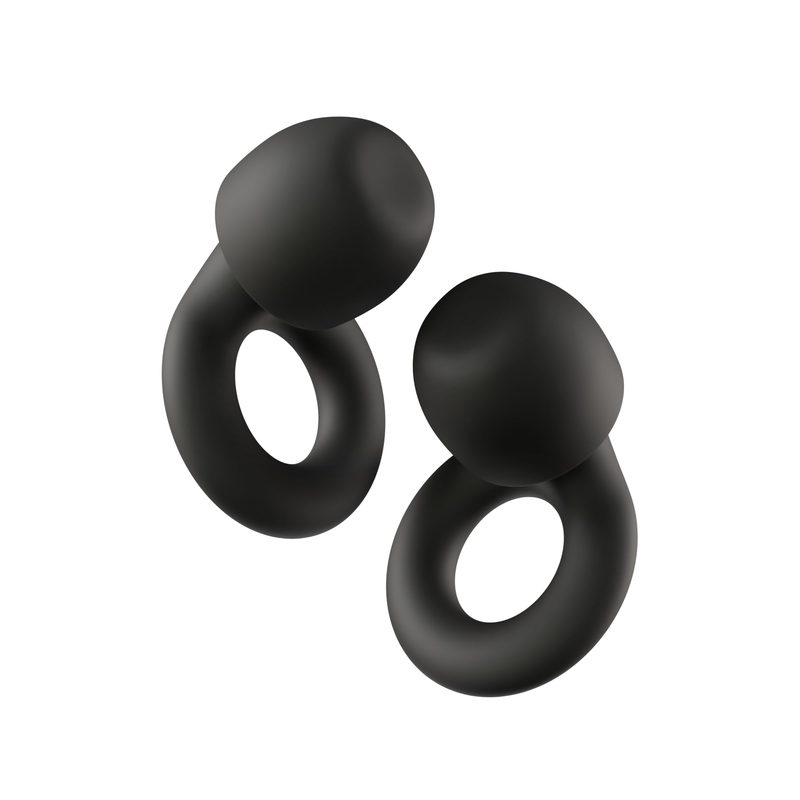
Loop Quiet 2 and Alpine SleepDeep are the best all-rounders: soft, low-profile reusables that stay comfortable against a pillow while taking the edge off snoring. Quiet 2 lists 24 dB SNR with four tip sizes; SleepDeep lists 27 dB with an oval, gel-core shape made for side sleepers.
Neither matches top-rated foam for raw blocking. If your partner’s snoring regularly wakes you through a closed door, start with the foam picks in the next section instead.
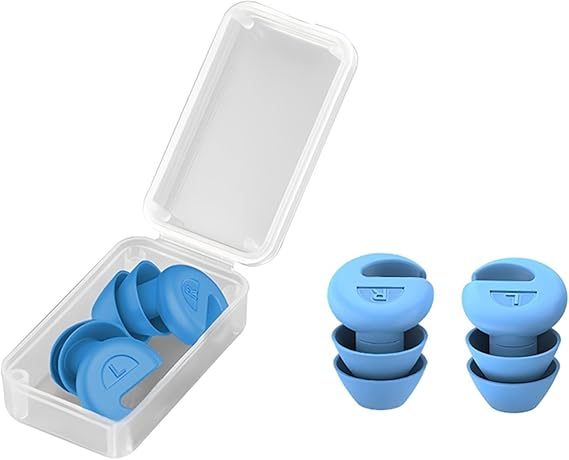
Reusable silicone earplugs listed at 24 dB SNR. 1 pair with 4 tip sizes (XS–L) and carry case.
Check price on Amazon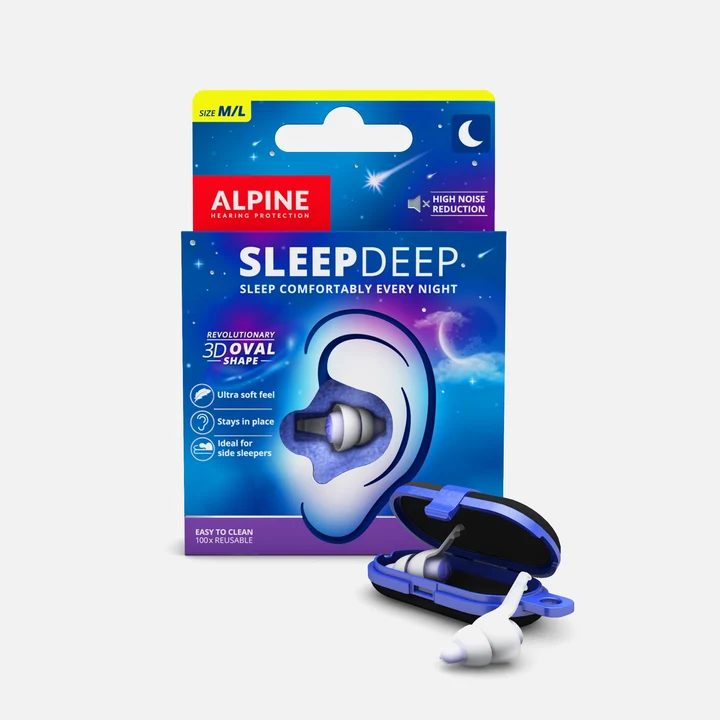
Reusable thermoplastic earplugs listed at 27 dB. 1 pair, size M/L, oval gel-core design.
Check price on Amazon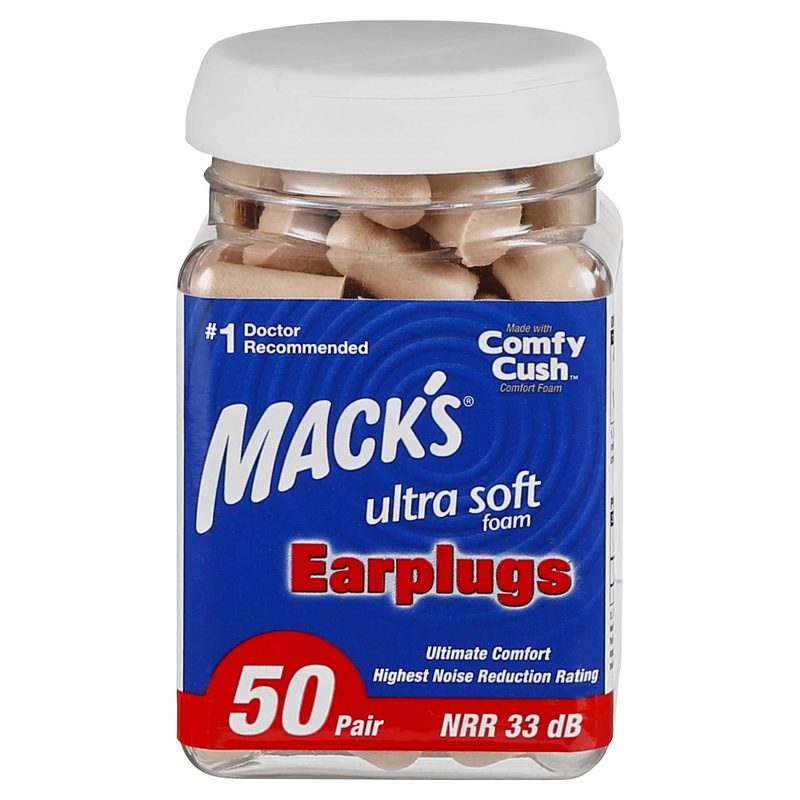
Foam rated NRR 33 dB blocks the most, and Mack’s Ultra Soft and HEAROS Xtreme are the two standouts. Both use slow-recovery foam you roll thin, insert, and hold while it expands into a seal — that seal is where the rating comes from.
Foam is disposable and can ache if your canals are small or sensitive. If either plug hurts by morning, drop to the small-canal or putty sections rather than forcing a bad fit.
Disposable foam earplugs listed at NRR 33 dB. 50 pairs.
Check price on Amazon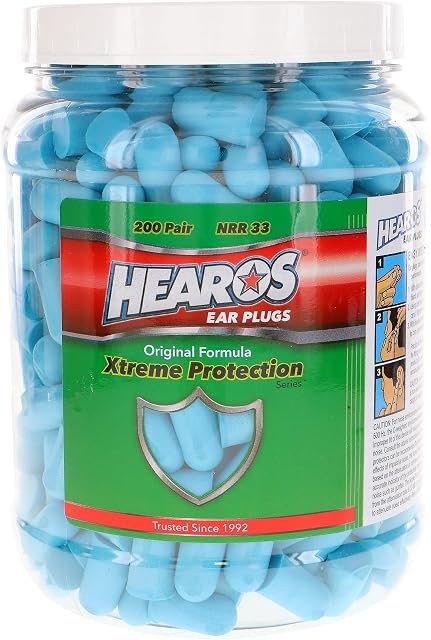
Disposable foam earplugs listed at NRR 33 dB. 200 pairs.
Check price on Amazon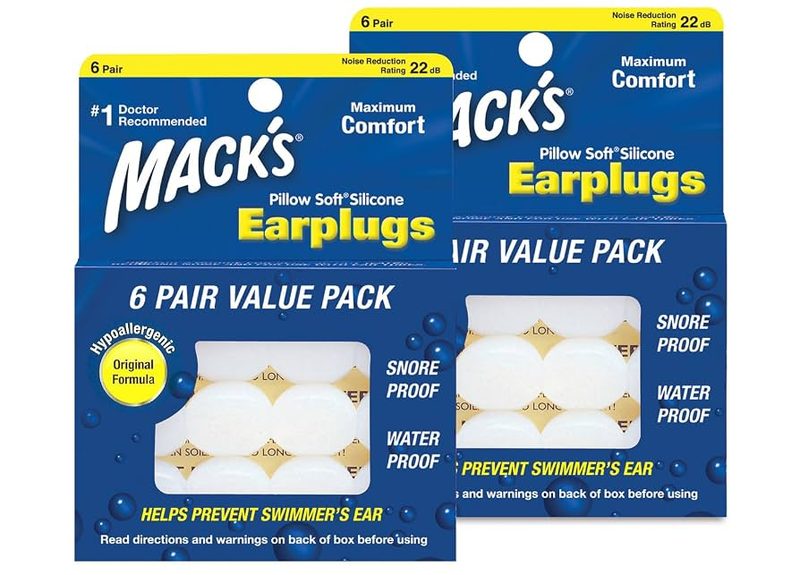
Mack’s Pillow Soft putty seals over the ear opening instead of inside the canal, so nothing presses deeper when your ear meets the pillow. Alpine SleepSoft takes the other route: a short, soft filter designed so side sleepers feel no pressure point.
Pillow Soft lists NRR 22 dB — lower than foam on paper, but its flat seal suits consistent, low snoring well. The listing advises not using a pair for more than five consecutive days.
Moldable silicone putty earplugs listed at NRR 22 dB. 12 pairs.
Check price on Amazon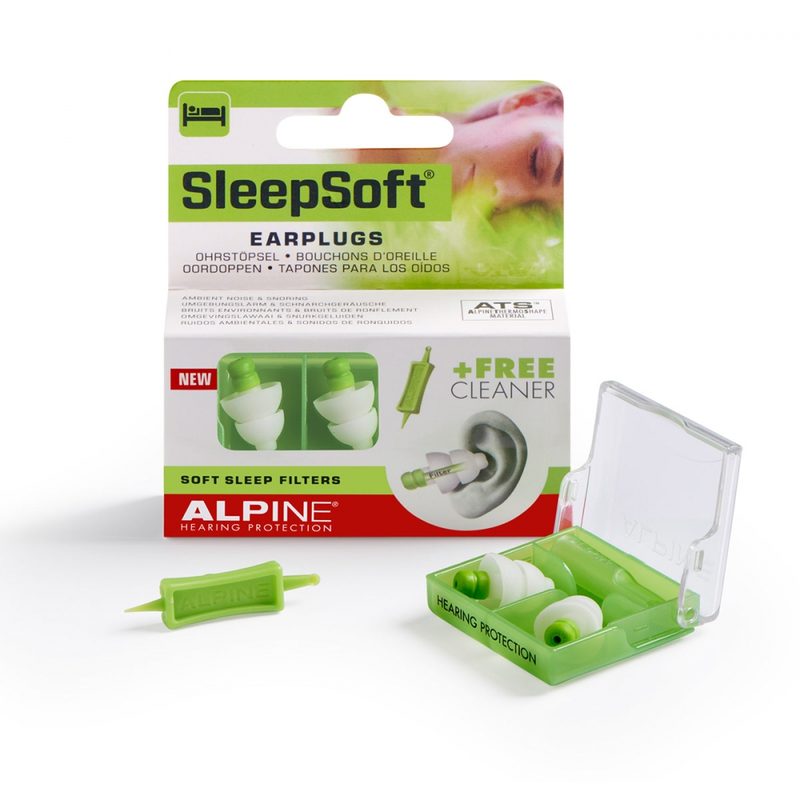
Reusable thermoplastic earplugs listed at 25 dB SNR. 1 pair with soft filters, case and cleaner.
Check price on Amazon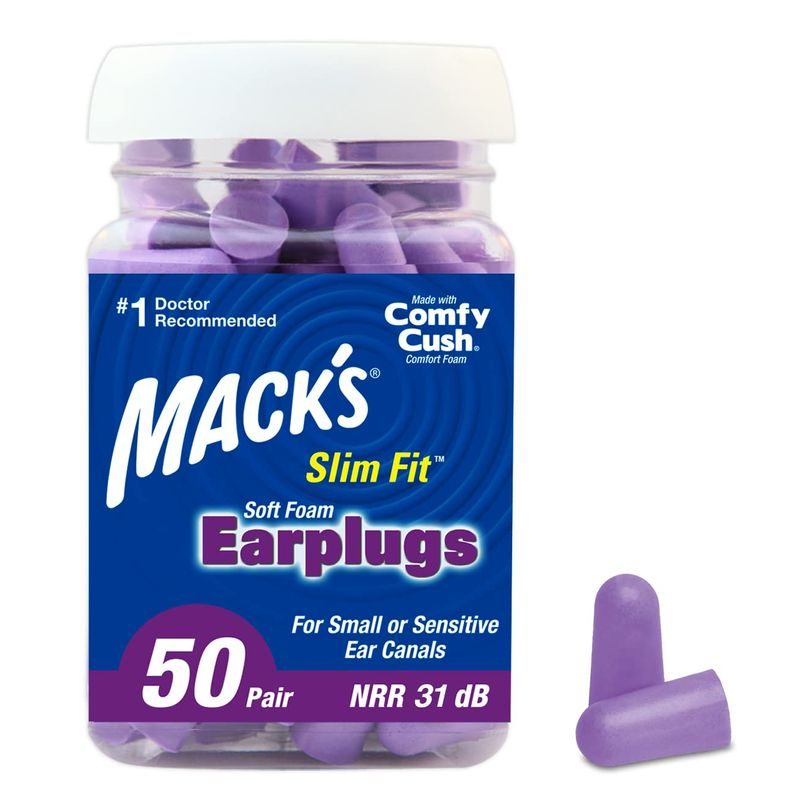
Mack’s Slim Fit and HEAROS Nanos are made smaller than standard foam. Slim Fit lists NRR 31 dB in a slimmer plug; Nanos lists NRR 28 dB in an extra-small size for petite ears.
If standard plugs feel like pressure rather than a seal, size down before giving up on foam. A smaller plug that seats fully blocks more than a standard plug left half-inserted.
Disposable foam earplugs listed at NRR 31 dB. 50 pairs.
Check price on Amazon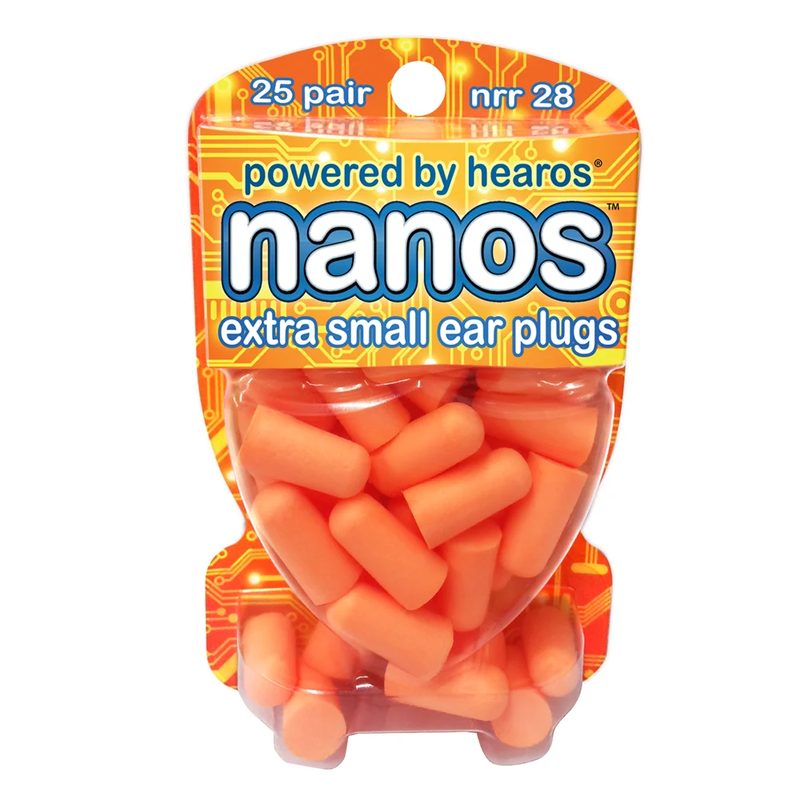
Disposable foam earplugs listed at NRR 28 dB. 25 pairs.
Check price on Amazon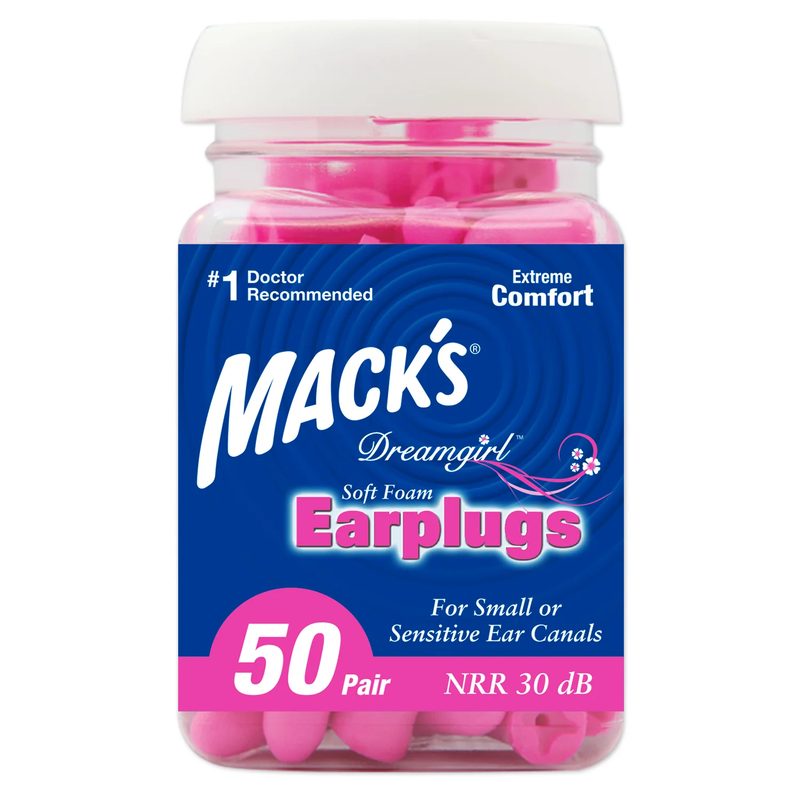
Mack’s Dreamgirl and HEAROS Ultimate Softness use softer, lower-pressure foam. Dreamgirl lists NRR 30 dB with a hollow, flared shape for smaller canals; Ultimate Softness lists NRR 32 dB in a softer foam formulation.
Sensitive ears usually object to expansion pressure, not to foam itself. Roll plugs thinner, insert gently, and switch to putty if soreness persists night after night.
Disposable foam earplugs listed at NRR 30 dB. 50 pairs.
Check price on Amazon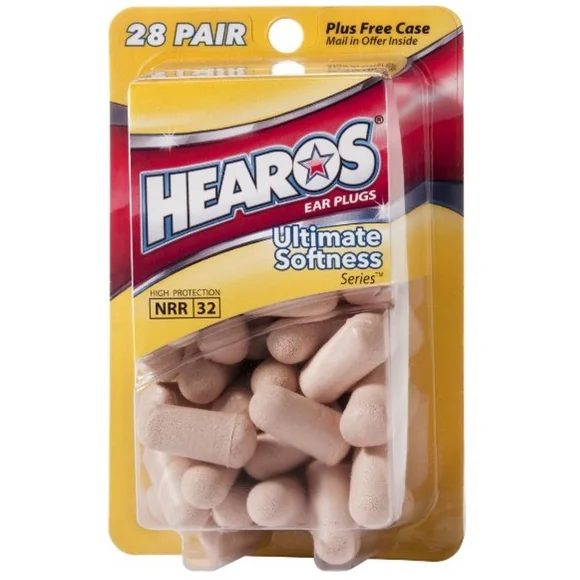
Disposable foam earplugs listed at NRR 32 dB. 28 pairs.
Check price on Amazon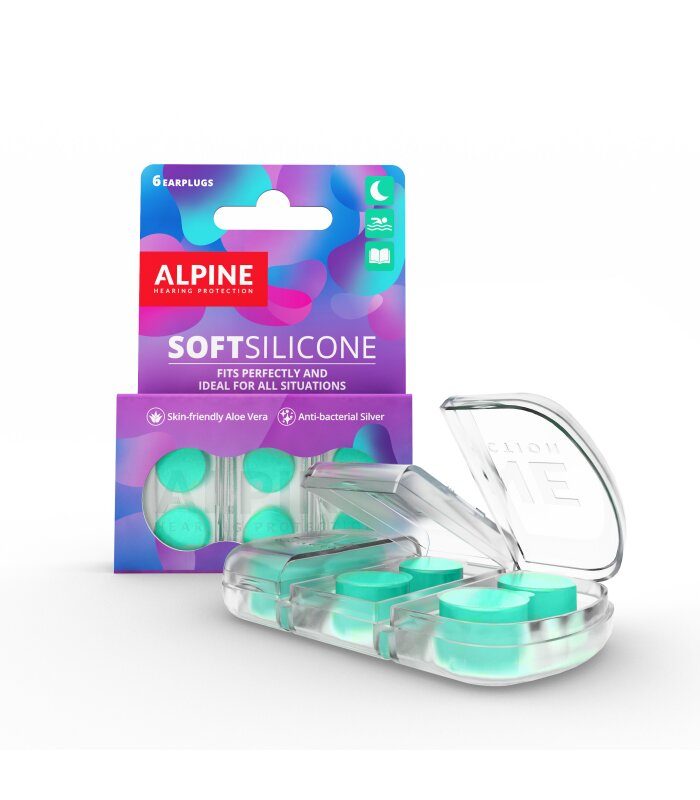
Moldable plugs win when nothing standard fits: you shape Alpine SoftSilicone putty or OHROPAX Classic wax to your own ear, so irregular canals get a custom seal. SoftSilicone lists 28 dB; OHROPAX Classic lists NRR 23 dB in the US.
Putty sits over the canal opening rather than inside it, which many side sleepers prefer. Wax and putty are replaced when soiled — they cannot be washed back to new.
Moldable silicone putty earplugs listed at 28 dB. Replace when soiled; cannot be washed.
Check price on Amazon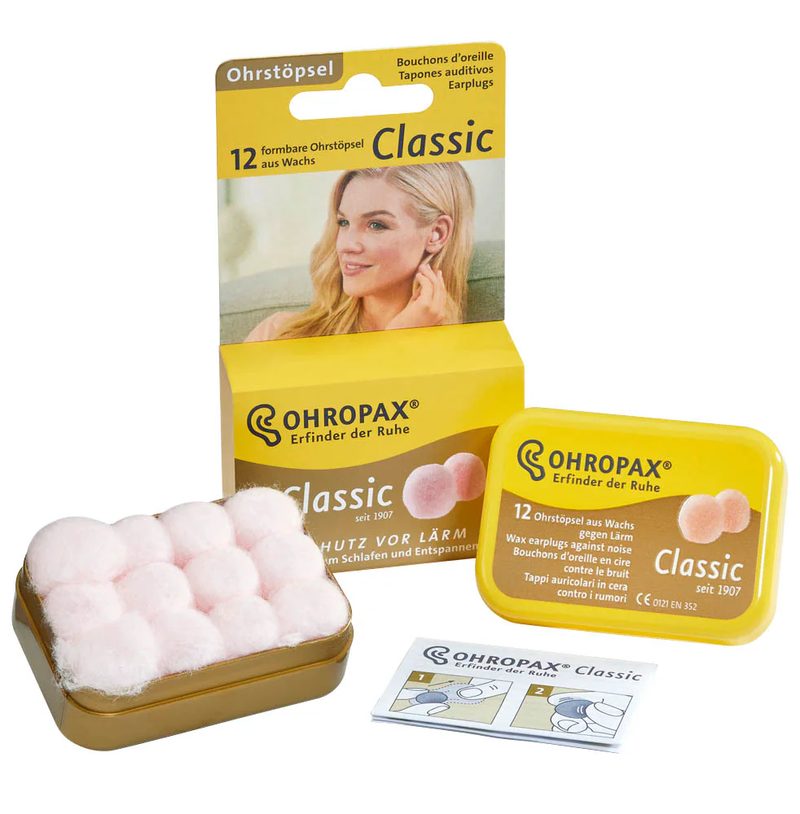
Moldable wax earplugs listed at NRR 23 dB. 24 pieces in 2 packs.
Check price on Amazon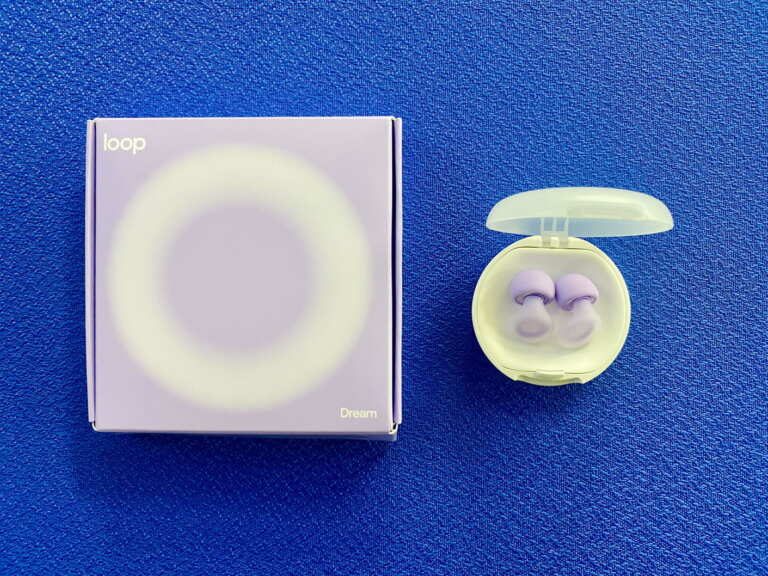
Loop Dream and Hearprotek are built to be washed and reused nightly. Loop Dream lists 27 dB SNR with both foam-silicone and double tips in four sizes; Hearprotek lists NRR 32 dB for its standard size and includes a smaller pair in the same pack.
Reusables cost more upfront and less per night than foam. Keep them in their case — the most common way reusable plugs fail is being lost, not worn out.
Reusable silicone earplugs listed at 27 dB SNR. 1 pair with foam-silicone and double tips in XS–L.
Check price on Amazon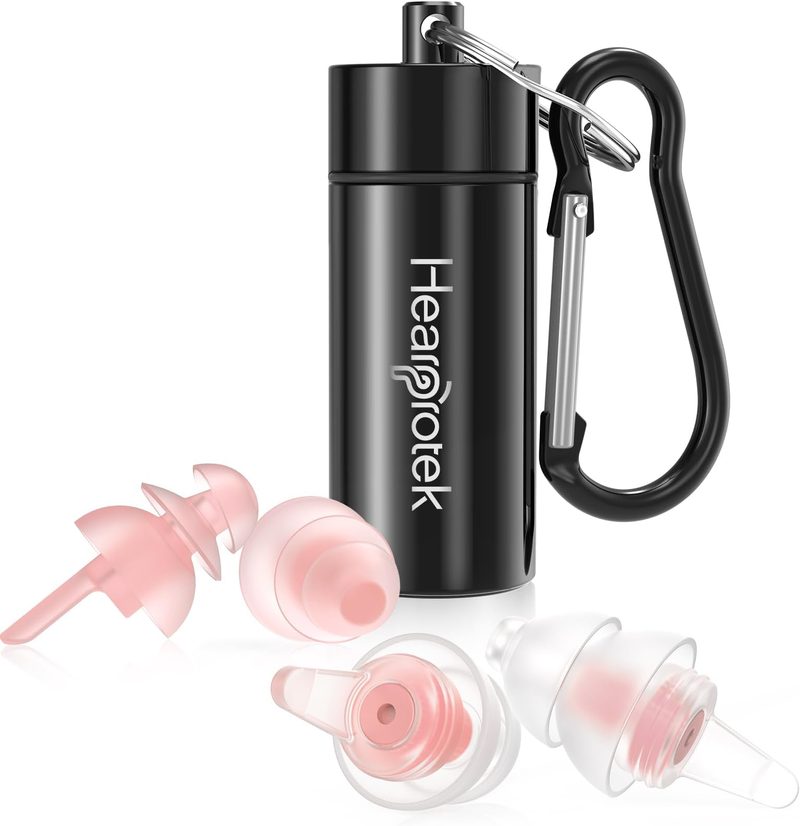
Reusable silicone earplugs listed at NRR 32 dB. 2 pairs (standard and small) with case.
Check price on Amazon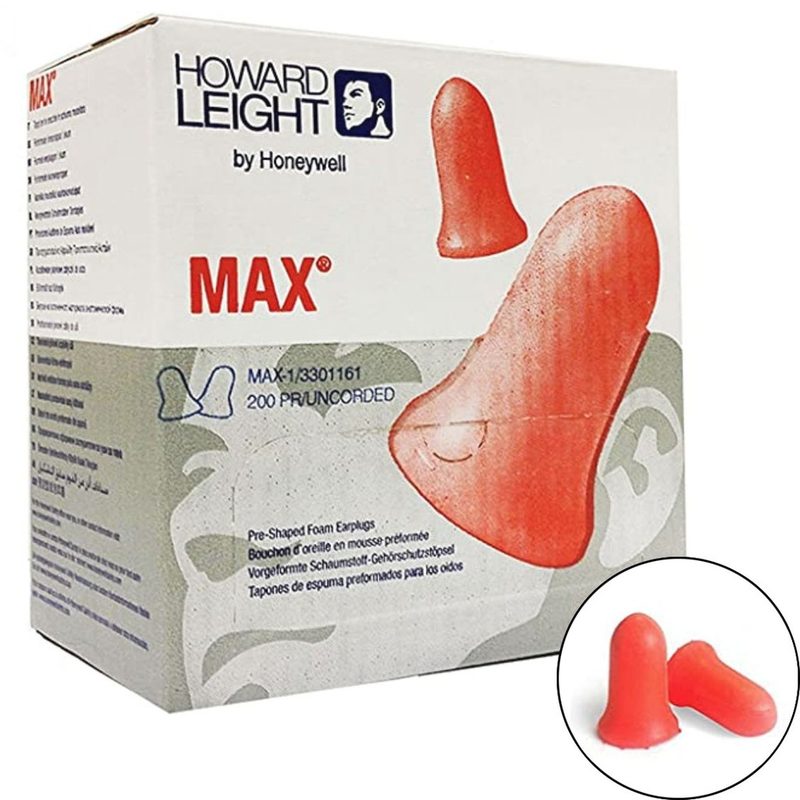
Howard Leight Max and Moldex Pura-Fit bring NRR 33 dB foam in large packs built for nightly use. Max is the classic bell-shaped plug; Pura-Fit is a longer, tapered plug that many people find easier to insert deeply.
Bulk packs make it cheap to test whether maximum foam blocking is what you actually need. If 33 dB feels like too much isolation, the moderate picks below will suit you better.
Disposable foam earplugs listed at NRR 33 dB. 200 pairs.
Check price on Amazon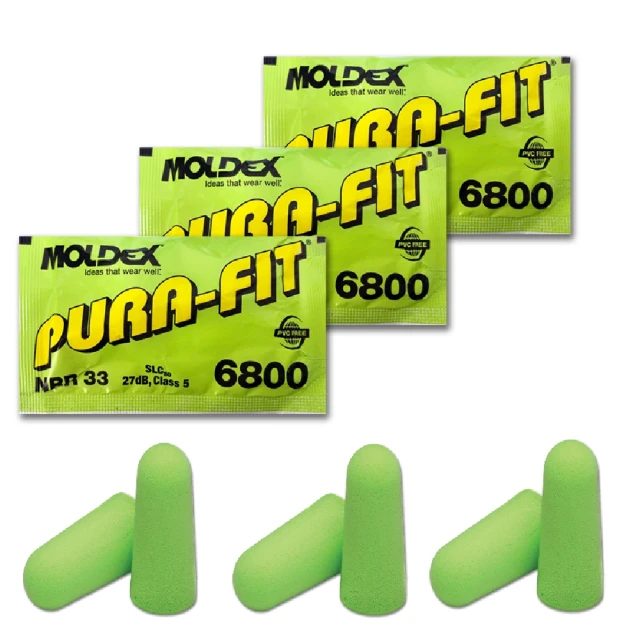
Disposable foam earplugs listed at NRR 33 dB. 50 pairs.
Check price on Amazon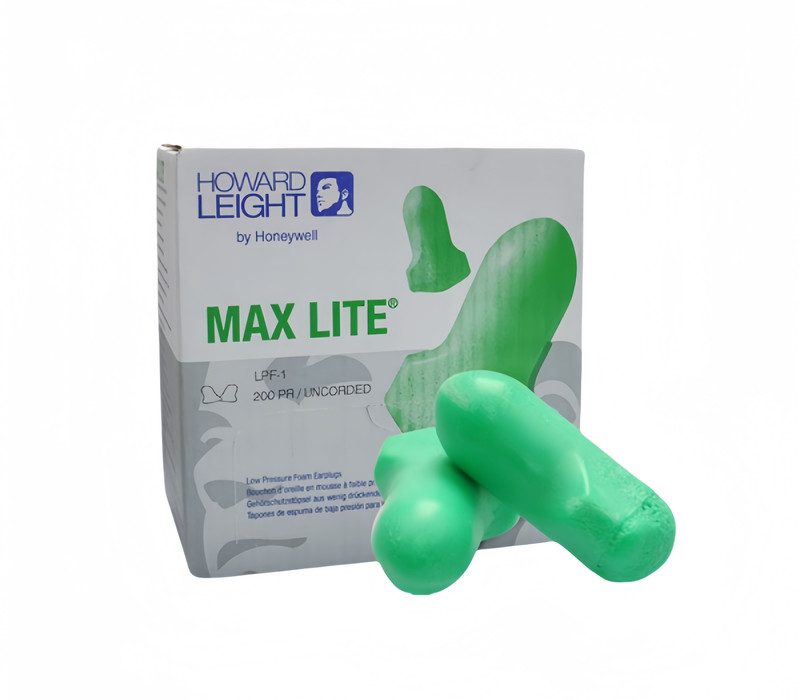
Howard Leight Max Lite uses low-pressure foam listed at NRR 30 dB, expanding gently instead of pushing hard against the canal. Flents Quiet Contour pairs a contoured shape with an NRR 33 dB listing in a small starter pack.
Ache usually means the plug is too big or inserted too shallow. Try Max Lite first if standard foam leaves your ears sore, and give any new plug two or three nights before judging it.
Disposable foam earplugs listed at NRR 30 dB. 200 pairs.
Check price on Amazon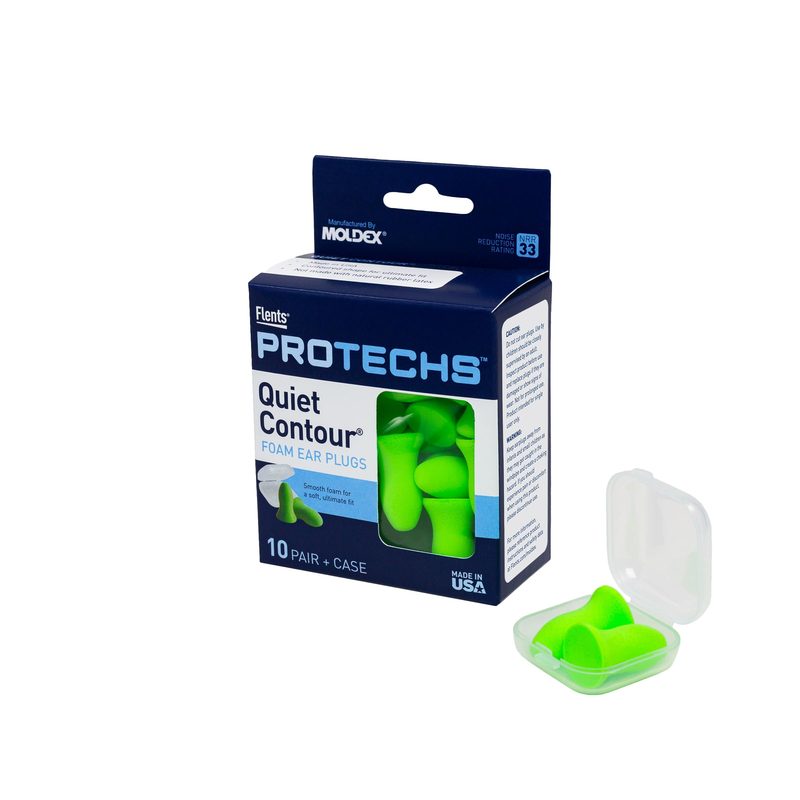
Disposable foam earplugs listed at NRR 33 dB. 10 pairs.
Check price on Amazon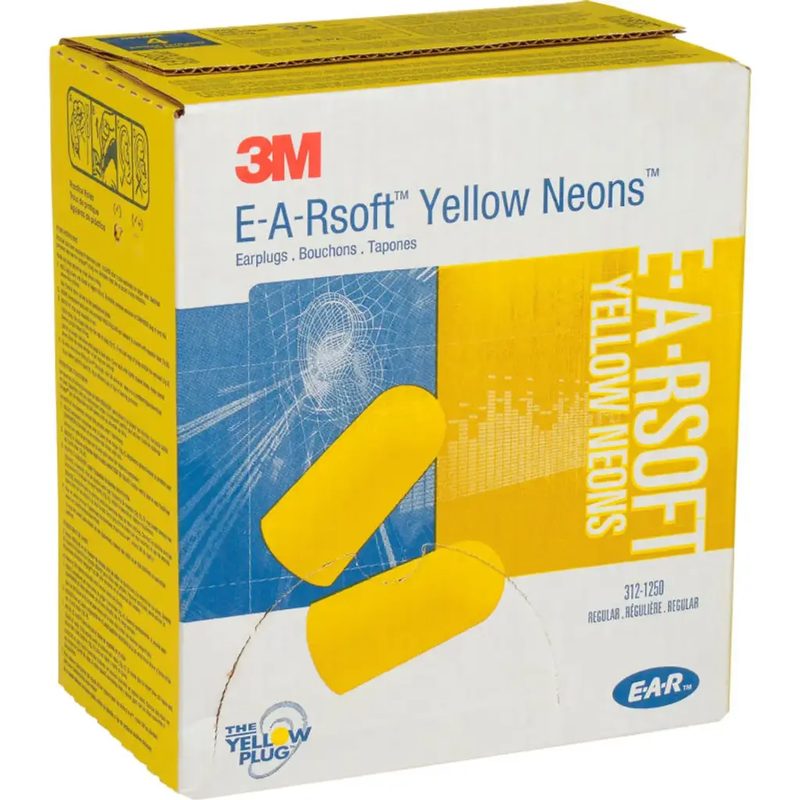
Tapered, slow-recovery foam stays put best: 3M E-A-Rsoft Yellow Neons list NRR 33 dB, and the classic 3M 1100 lists NRR 29 dB in a softer, hypoallergenic foam. Both roll thin and expand slowly, giving you time to seat them properly.
Insertion technique decides whether they stay in: roll the plug crease-free, pull the ear up and back, insert, and hold it while it expands. Skipping the hold is why plugs migrate out overnight.
Disposable foam earplugs listed at NRR 33 dB. 200 pairs.
Check price on Amazon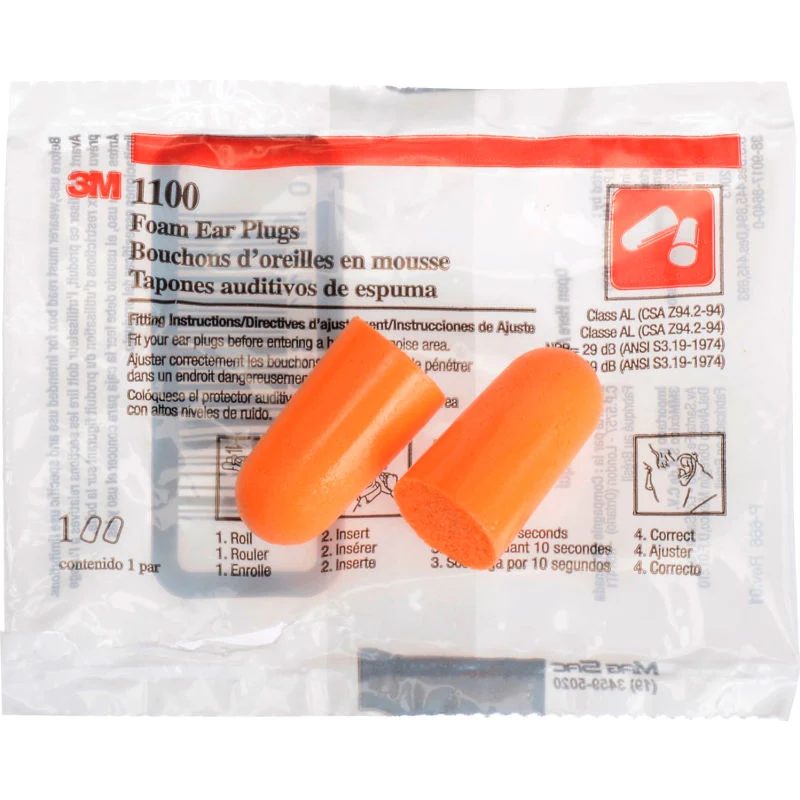
Disposable foam earplugs listed at NRR 29 dB. 200 pairs.
Check price on Amazon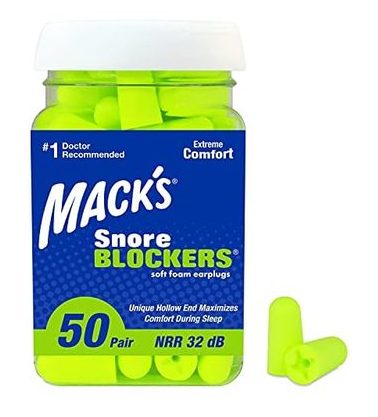
Mack’s Snore Blockers and Mack’s Maximum Protection are foam plugs positioned specifically for sleeping next to snoring. Snore Blockers list NRR 32 dB with a hollow end; Maximum Protection lists NRR 33 dB in a 40-pair pack.
Snore-specific branding matters less than the seal you achieve. If these feel identical to other Mack’s foam in your ears, buy whichever pack is better value that week.
Disposable foam earplugs listed at NRR 32 dB. 50 pairs.
Check price on Amazon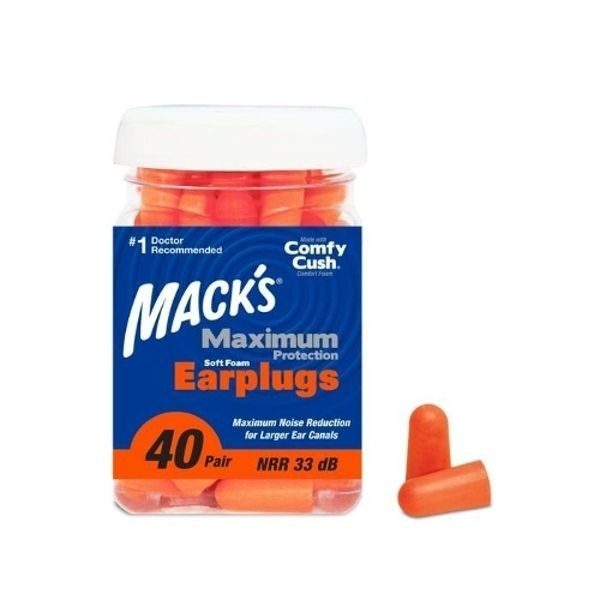
Disposable foam earplugs listed at NRR 33 dB. 40 pairs.
Check price on Amazon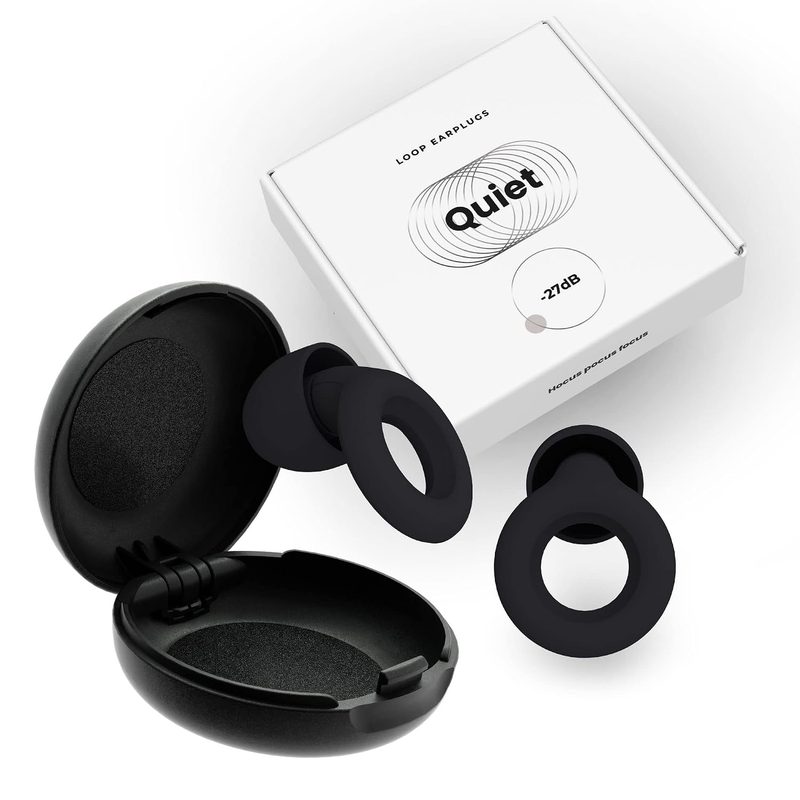
Moderate-reduction plugs take the edge off snoring without sealing you off: the original Loop Quiet lists 24 dB with an NRR of 14, and Eargasm Squishies putty lists NRR 22 dB. Both soften a room rather than silencing it.
No earplug guarantees you will hear an alarm or a child. Test your setup on a night when missing the alarm costs nothing, and keep a vibrating or flashing alarm as backup if it matters.
Reusable silicone earplugs listed at 24 dB (NRR 14). 1 pair with 8 ear tips in XS–L.
Check price on Amazon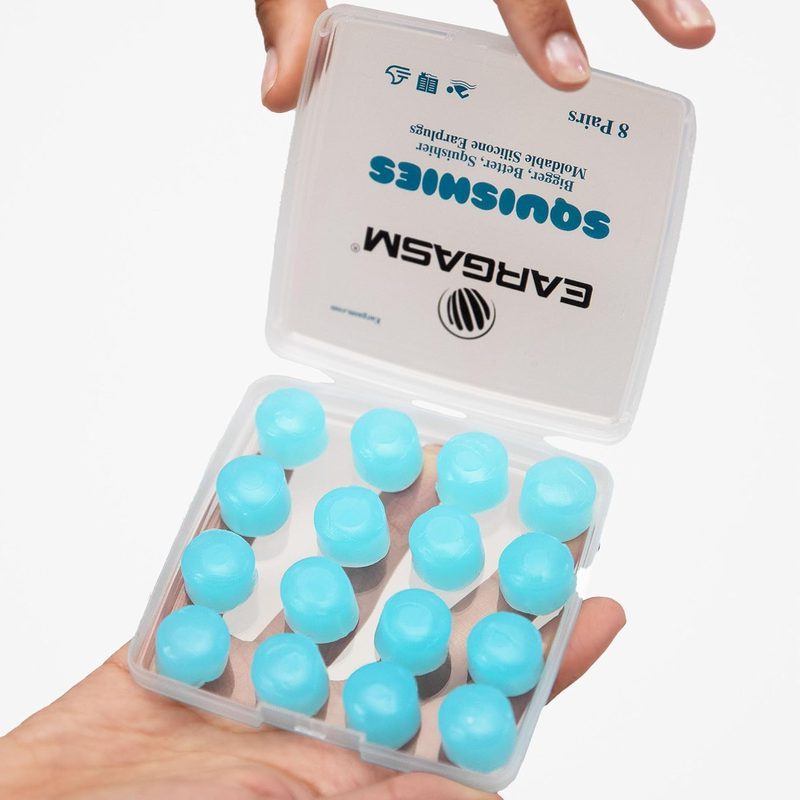
Moldable silicone putty earplugs listed at NRR 22 dB. 8 pairs.
Check price on Amazon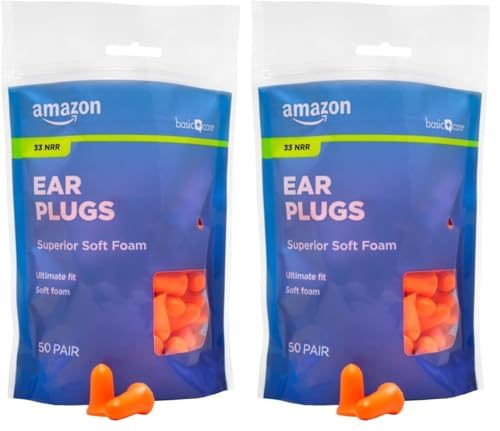
Amazon Basic Care and LYSIAN foam multipacks keep the per-night cost low for nightly disposable use. Basic Care lists NRR 33 dB; LYSIAN lists 31 dB NRR (38 dB SNR) and includes a bonus reusable silicone pair.
Budget foam varies more in consistency than big-brand foam. If a multipack’s plugs feel uneven from pair to pair, move up to the bulk brands above rather than tolerating bad seals.
Disposable foam earplugs listed at NRR 33 dB. 50 pairs.
Check price on Amazon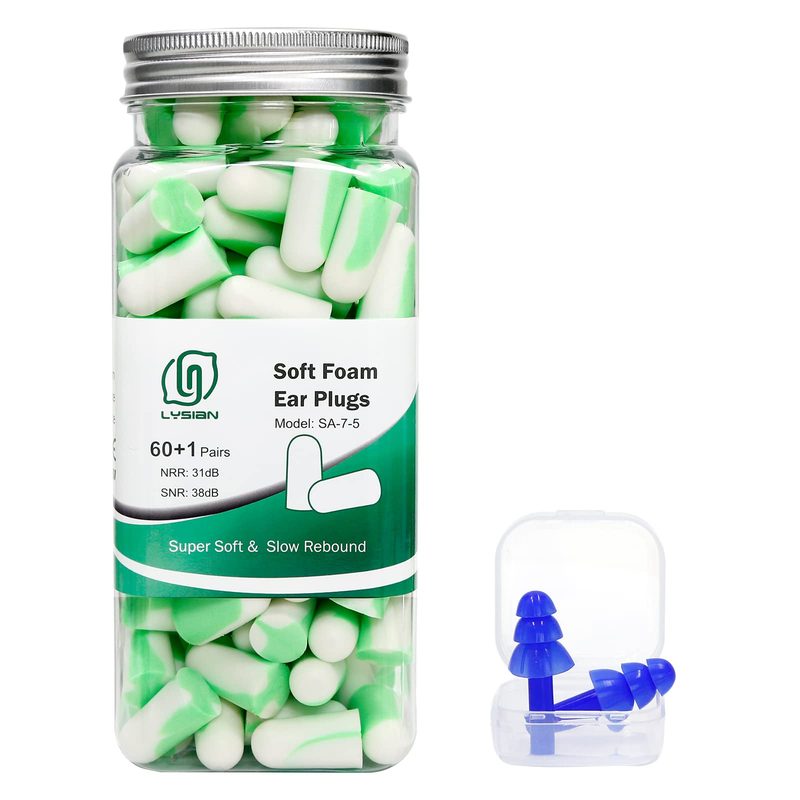
Disposable foam earplugs listed at 31 dB NRR (38 dB SNR). 60 pairs.
Check price on Amazon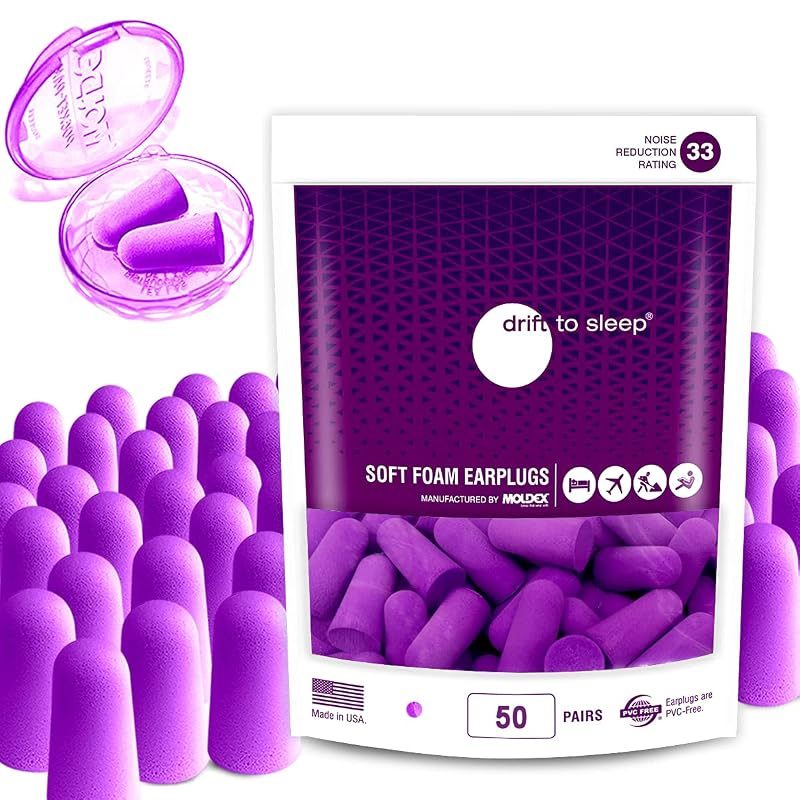
Moldex Softies and SparkPlugs use softer foam formulations, both listed at NRR 33 dB. Softies are the gentler-feeling option; SparkPlugs are the long-running classic with a smooth, tapered surface.
Soft foam still needs a proper roll-and-hold insertion to reach its rating. If soft foam keeps slipping out, the tapered 3M picks above usually hold better.
Disposable foam earplugs listed at NRR 33 dB. 40 pairs.
Check price on Amazon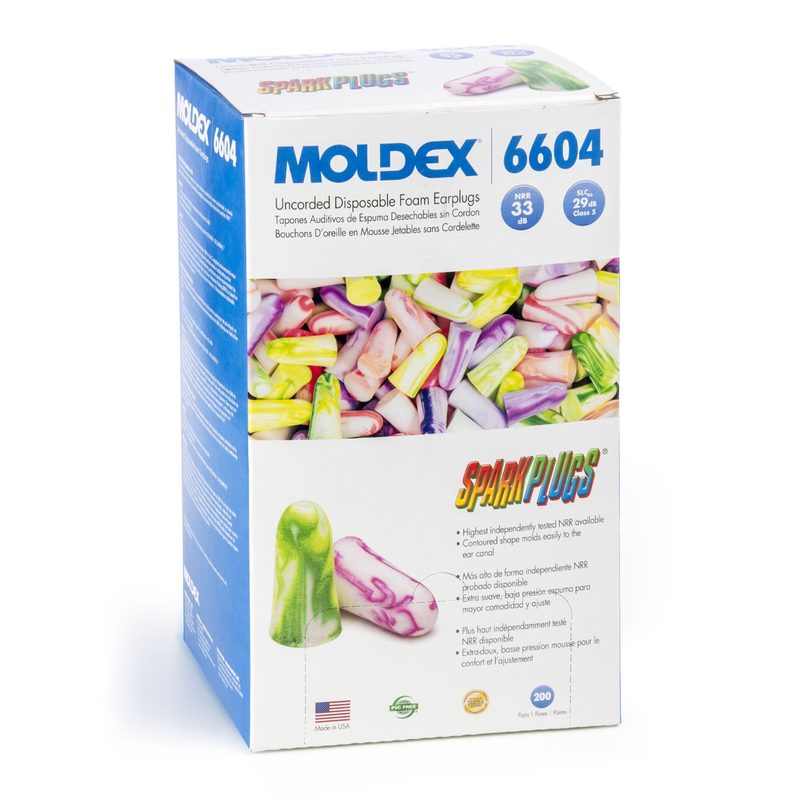
Disposable foam earplugs listed at NRR 33 dB. 200 pairs.
Check price on Amazon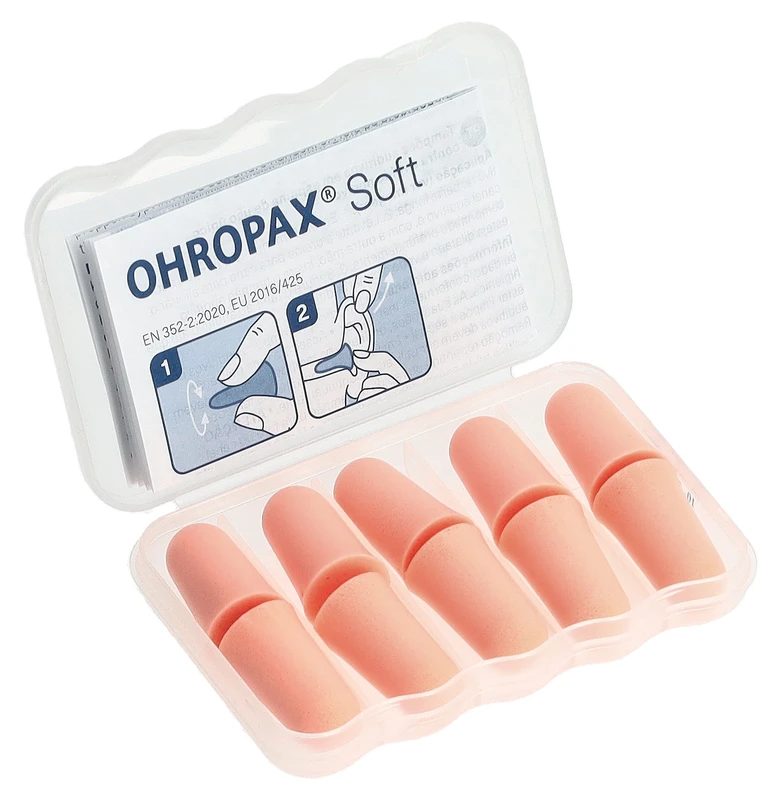
Ohropax Soft and Howard Leight Laser Lite use shaped, self-adjusting foam that conforms instead of forcing a round plug into an oval canal. Ohropax Soft lists NRR 30 dB; Laser Lite lists NRR 32 dB with a contoured T-shape.
If one ear seals and the other never does, shaped foam or moldable putty is the fix — ear canals are rarely mirror images, and the plug should adapt, not your ear.
Disposable foam earplugs listed at NRR 30 dB. 10 plugs (5 pairs).
Check price on Amazon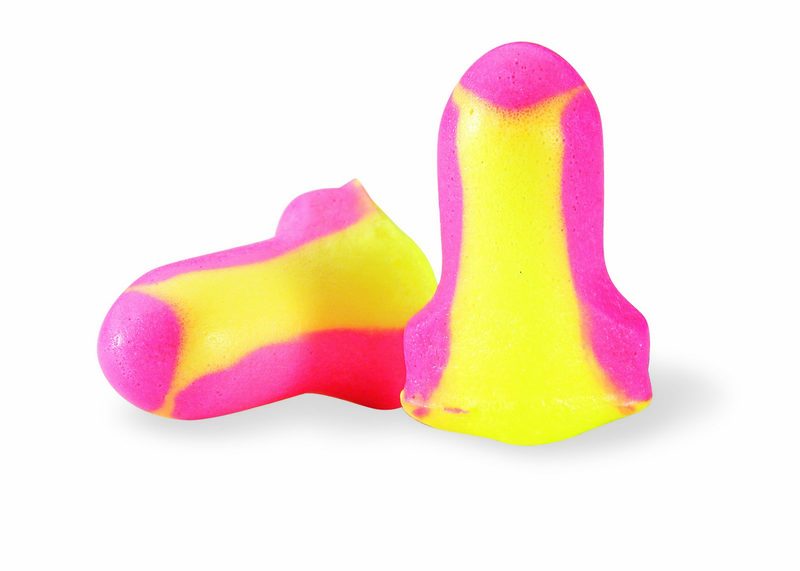
Disposable foam earplugs listed at NRR 32 dB. 200 pairs.
Check price on AmazonPrices and availability change frequently. Always confirm the current price on Amazon before ordering.
Back sleepers with a loud snorer: start with NRR 33 dB foam. Side sleepers: start with putty or a low-profile reusable. Small or sensitive canals: size down before you give up. Whatever you choose, judge it by the seal you can achieve every night — that, not the biggest number on the box, is what gets you through to morning.
Start with foam rated NRR 32–33 dB for loud, constant snoring, and moderate plugs around 22–27 dB for lighter or intermittent snoring. Fit decides how much of any rating you actually get.
Foam blocks more; silicone and putty are usually more comfortable, especially on your side. Many people keep both: foam for bad nights, reusables for ordinary ones.
Yes — choose plugs that sit flat: moldable putty over the ear opening, or low-profile reusables designed for side sleepers. Standard foam can press uncomfortably against a pillow.
Foam plugs are disposable. Reuse them only while they stay clean and still expand fully, and replace them as soon as dirt or wax builds up or the foam stops sealing.
Moderate plugs (around 22–24 dB) soften noise rather than sealing it out, but no plug guarantees you will hear an alarm. Test on a low-stakes night and keep a backup alarm if it matters.
Usually the plug is too big, inserted too shallow, or expanding against a sensitive canal. Size down, try low-pressure foam, or switch to putty that seals over the opening instead of inside it.
With clean hands, roll the plug into a thin, crease-free cylinder, pull the ear up and back, insert it, and hold it in place while it expands. Remove slowly with a gentle twist.
Mask, earplugs, blanket and footrest: the five things that make an overnight flight sleepable.
Read the guide →
Cold air, stretch and the valve: the three real causes of a soft air mattress by morning.
Read the guide →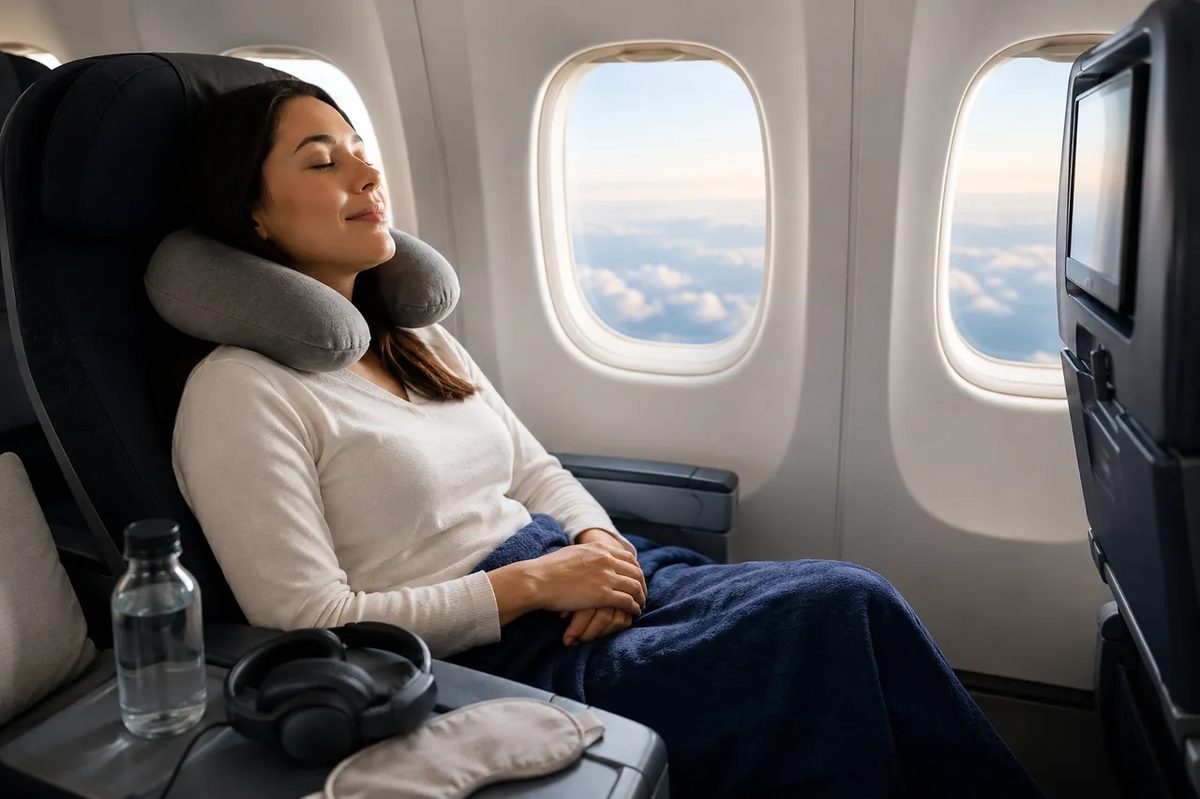
Fifteen travel pillows, from scarf supports to ultralight camp pillows, ranked by real sleep.
Read the guide →